
How Does Corporate Event Production Work? A Guide to Choosing the Right Production Partner
What corporate event production includes, how it runs from the first brief to the live event, who does what on the day and how to choose the right production partner.
 Kudos AV · Production insights
In this article
A polished corporate event can look effortless from the audience’s seat, but every clear microphone, sharp screen, timed presentation and smooth stage transition takes careful work behind the scenes.
So, how does corporate event production work? It starts long before guests arrive, with teams planning the venue, equipment, content, crew and technical requirements needed to keep the event running smoothly from setup to the final session.
Kudos AV supports corporate events with audio visual production, video, lighting, staging, live streaming, scenic production and technical delivery, bringing together the technical side of conferences, meetings, launches and live experiences.
Key takeaways
- Corporate event production covers all the technical systems, technology and staff needed to stage a live corporate event.
- The process normally begins with the event brief and a venue assessment, then moves on to technical planning, equipment preparation, setup, testing, rehearsals and running the event.
- Event planning and event production are different jobs, but the two need to work closely together throughout the event.
- The right production partner has the experience, equipment, people and process to meet the technical requirements of your event.
- Early preparation brings venue limitations, equipment, content and technical problems to light before guests arrive.
What is corporate event production and what does it include?
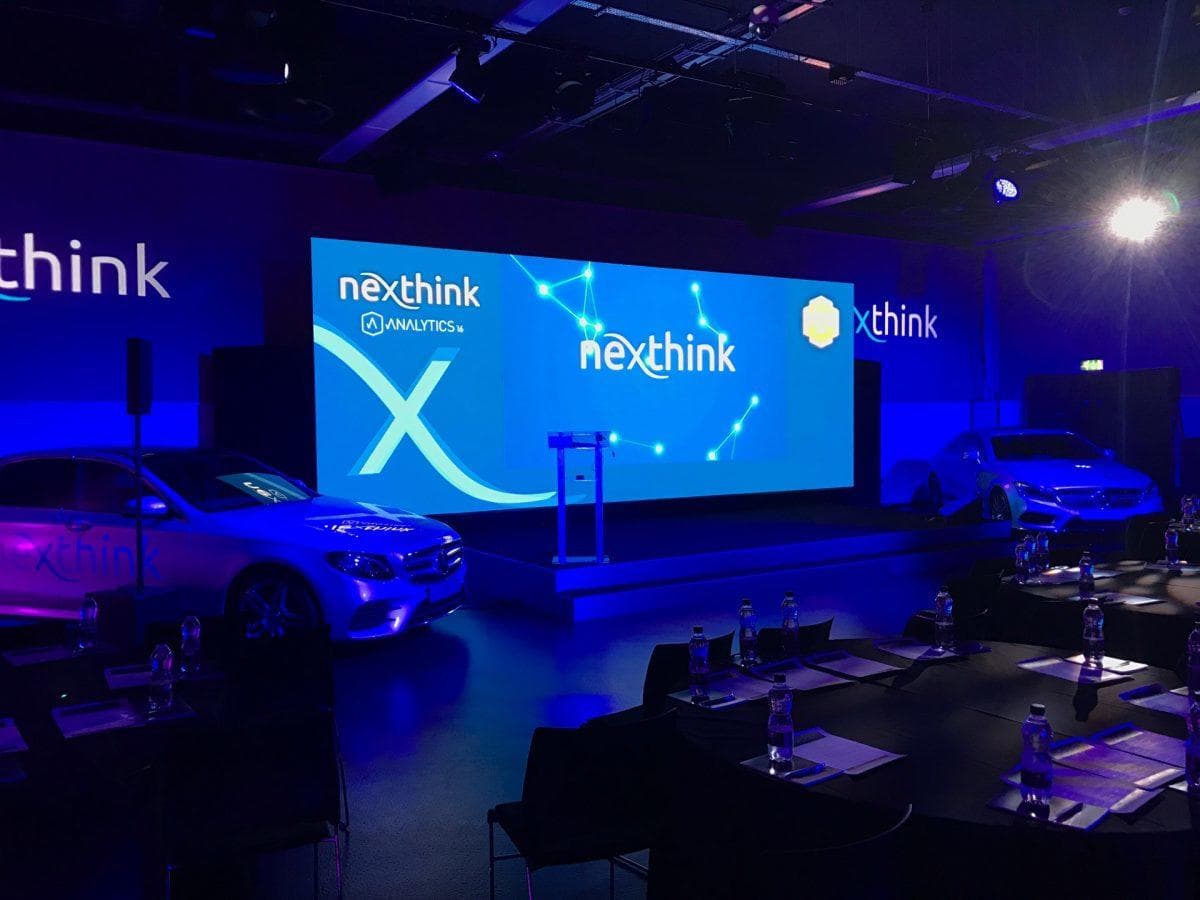
When people ask what corporate event production is, they are usually asking about the work that happens behind the scenes to make an event look and sound right. It covers the technical and creative side of speakers, presenters, performances, branding and audience interaction.
The corporate event production services you need will vary with the event format, the venue, the number of attendees and the programme. They may include:
- Audio and sound: microphones, loudspeakers, mixing equipment and sound engineering.
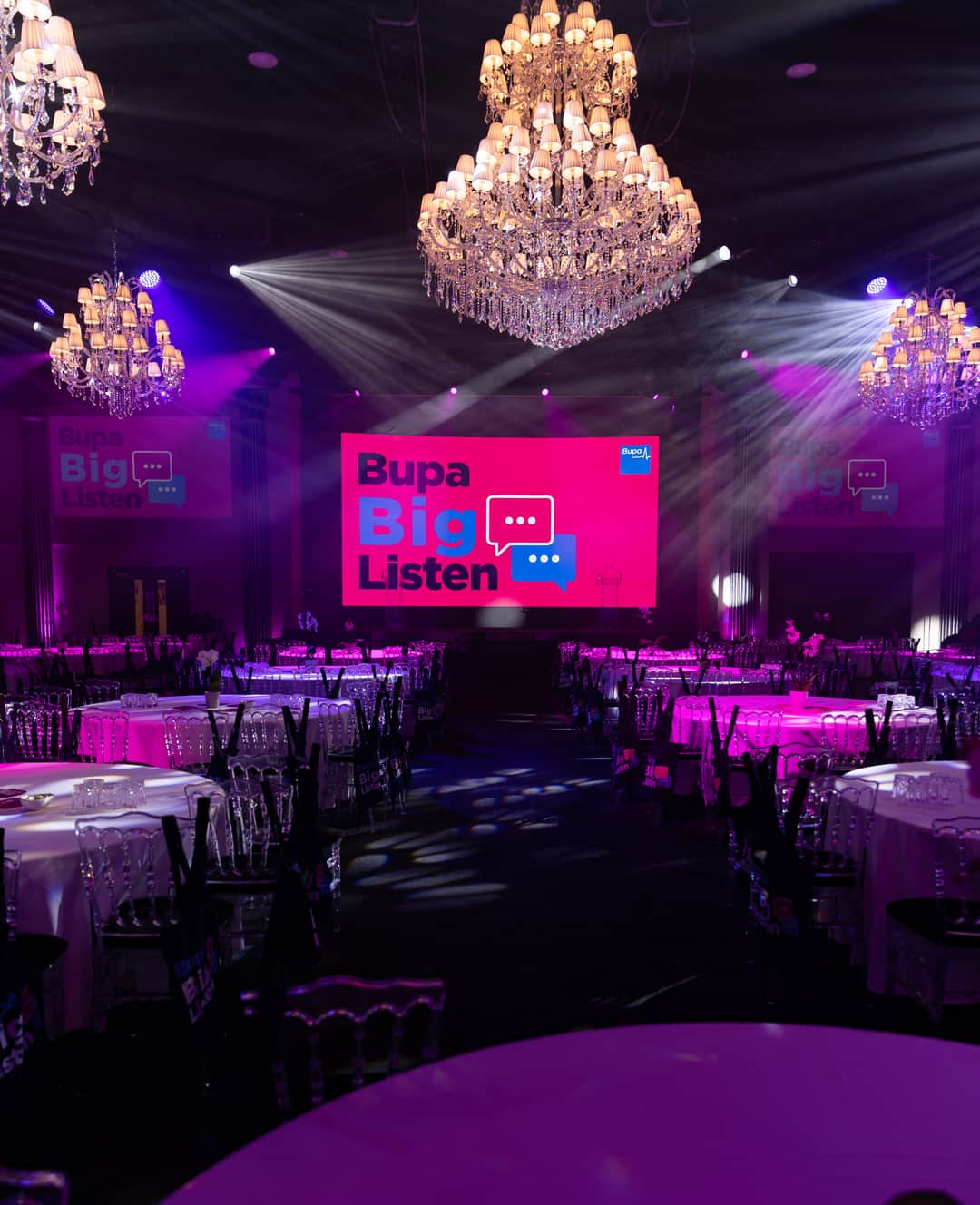
- Video and display technology: cameras, LED screens, projection and presentation systems.
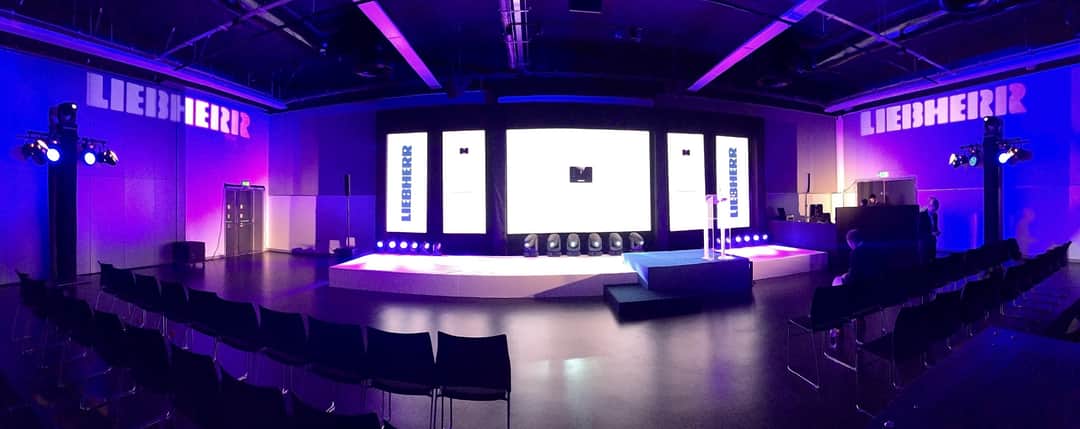
- Staging and rigging: stage construction, equipment support and safe installation.
- Lighting: stage, presentation, performance and event lighting.
- Live streaming: cameras, streaming systems and delivery to a remote audience.
- Technical crew: the professionals who operate and manage the production during the event.
A small corporate meeting may need only sound, presentation equipment and simple lighting, whereas a conference may need more cameras, LED screens, stage lighting, live streaming and a bigger technical crew.
Planning these technical requirements in advance is what makes every part of the event work together from the opening session.
How does corporate event production work from start to finish?
The production process begins well before any equipment reaches the venue. The production team reviews the event brief, schedule, venue, audience, content and technical needs. The main steps are:
- Event brief review: the team looks at the event format, the speakers, the sessions, the audience size, the venue, the timings and the style of production needed.
- Venue assessment: the production team checks access, loading, power, rigging points, room dimensions, sight lines and any equipment already in the venue.
- Production plan: the plan sets out the equipment, stage layout, camera positions, lighting, audio, screens, content playback and streaming needs.
- Equipment and content preparation: presentations, videos, graphics, microphones, cameras, lighting and other systems are prepared before setup.
- Setup, testing and rehearsal: the crew installs and tests every system at the venue, then rehearses the running order with the content and, where possible, the speakers.
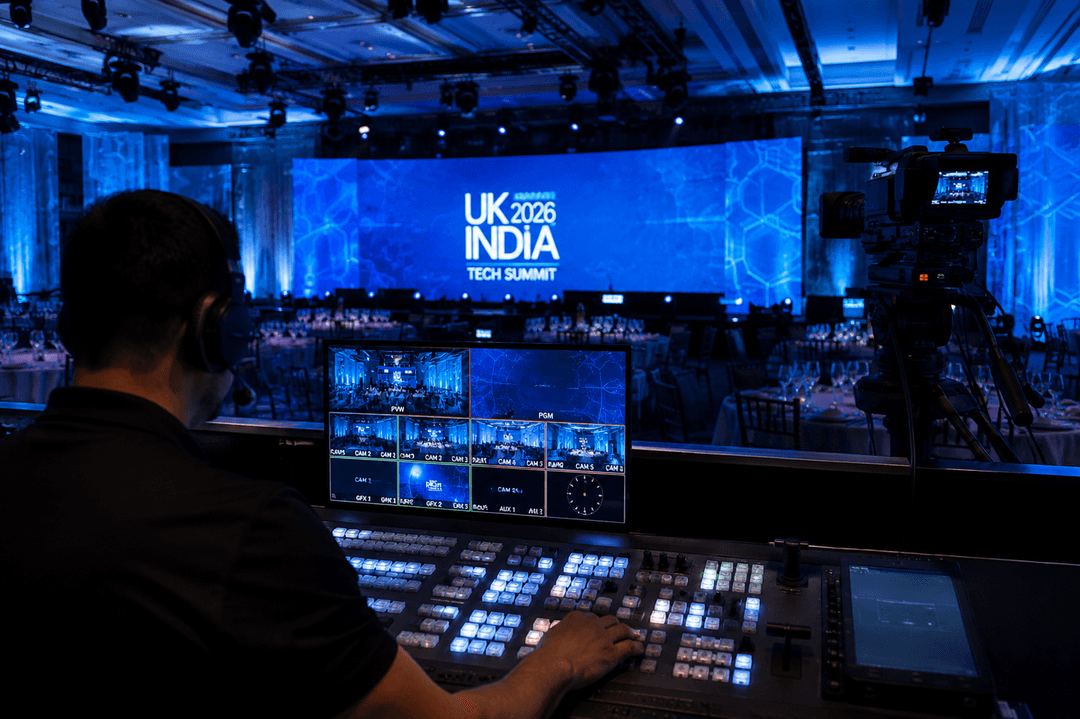
- Running the live event: technicians manage sound, lighting, cameras, screens, presentations, streaming and stage cues while staying in contact with the wider event team.
How does corporate event planning differ from production?
Corporate event planning covers scheduling, attendees, registration, catering, logistics, speakers and venue management. Event production is the technical delivery of those plans.
A planner can schedule the keynote, but the production team looks after the technical setup behind it: the microphones, display systems, lighting, cameras and everything else the presentation needs. Good communication between the two teams keeps their schedules in step.
What does a production team handle on event day?
An event production company may have many specialists working behind the scenes, and the roles depend on the nature of the event. They typically include:
- Production manager: runs the technical operation of the event and leads the production team.
- Audio engineer: manages the microphones, speakers, sound and mixing levels.
- Lighting technician: runs the stage and event lighting to the show schedule.
- Camera operator: captures the speeches, presentations, performances and audience.
- Vision mixer: switches between the camera feeds and presentations.
- Stage manager: works with the speakers and manages the stage.
How do you choose an event production company?
Finding the right production partner starts with understanding what your event actually needs. If you are working out how to choose an event production company, begin with its experience of events like yours, along with the technical services, equipment and crew it can provide.
Ask who will oversee the production on the day, who will operate the equipment, and whether the same people will handle the setup, testing and rehearsals. Ask too how they prepare for problems with the technology or with the event schedule.
Looking at past projects will help you understand how they work. Look for relevant experience with conferences, launches, awards, exhibitions, video production, staging, lighting and live streaming.
What are common corporate event production mistakes?
Most technical problems on the day come from gaps in the planning:
- Starting technical planning too late.
- Overlooking venue restrictions.
- Leaving presentation testing until the day of the event.
- Underestimating the audio requirements.
- Skipping the technical rehearsal.
- Having no backup plan for critical equipment and connections.
Early communication between the planning team, the speakers, the venue and the technical staff can solve these problems before the audience arrives.
When should you bring in a production partner?
Production planning should start early enough to assess the venue, schedule, content, equipment, crew and any technical limitations. Larger conferences, awards ceremonies, product launches, exhibitions and hybrid events need more preparation, because several production systems may be running at the same time.
Kudos AV provides video, audio, lighting, staging, live streaming and technical production support for all kinds of corporate events.
Ready to build a corporate event that runs smoothly from start to finish?
Knowing how corporate event production works helps you understand what your event needs, from technical planning and equipment selection to setup, testing and live production. Kudos AV provides specialist support for conferences, launches, awards, exhibitions and live corporate events, with an in house team managing sound, video, lighting, staging and live streaming.
Planning your next corporate event? Start your corporate event production plan with Kudos AV today, and let our production specialists turn your plans into a polished live experience.
Frequently asked questions
What does a corporate event production company do?
It manages the technical side of an event: audio, video, lighting, staging, rigging, screens, presentations, streaming, equipment and the technical crew who run them.
How does corporate event production work?
Corporate event production usually runs through the same phases: brief, review, planning, equipment preparation, setup, testing, rehearsal, the live event and the final pack down.
What equipment is needed for a corporate event?
It depends on the event, but it can include microphones, speakers, cameras, LED screens, projection, lighting, staging, presentation systems, streaming and technical communication equipment.
When should you start planning corporate event production?
In the early stages of planning the event, so the production team has time to review the venue, confirm the technical requirements and prepare content before the day.
Can production companies help with hybrid corporate events?
Yes. Production companies can support hybrid events with both in person and online audiences, handling cameras, audio, vision mixing, streaming, remote speakers and presentation systems.
Corporate event production in action
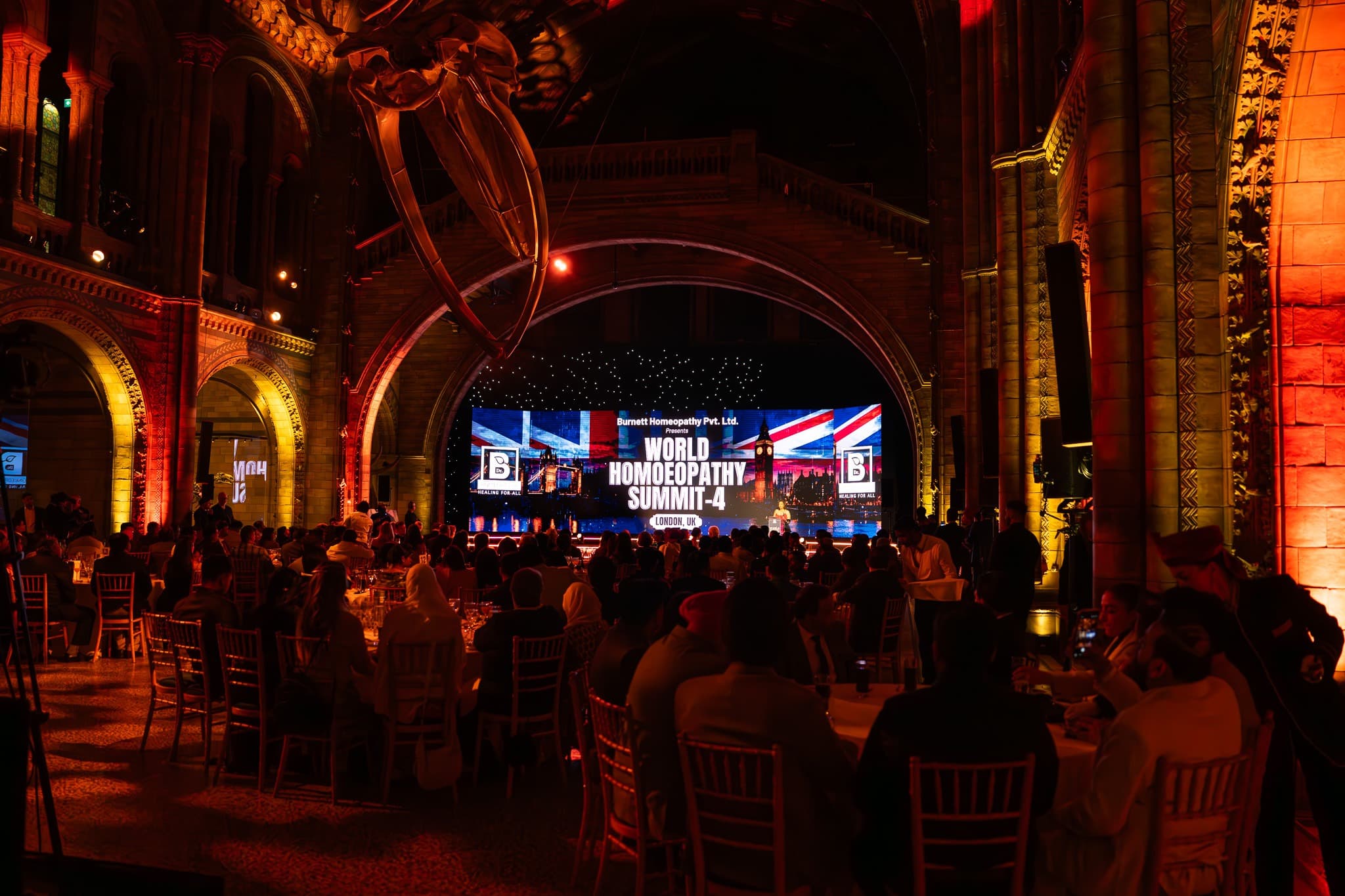 Insights & Guides
What Does an Event Production Company Actually Do? (And Why It Matters for Your Event)
From the first technical plan to the final pack-down: the equipment, people and preparation behind a successful live event.
Read the guide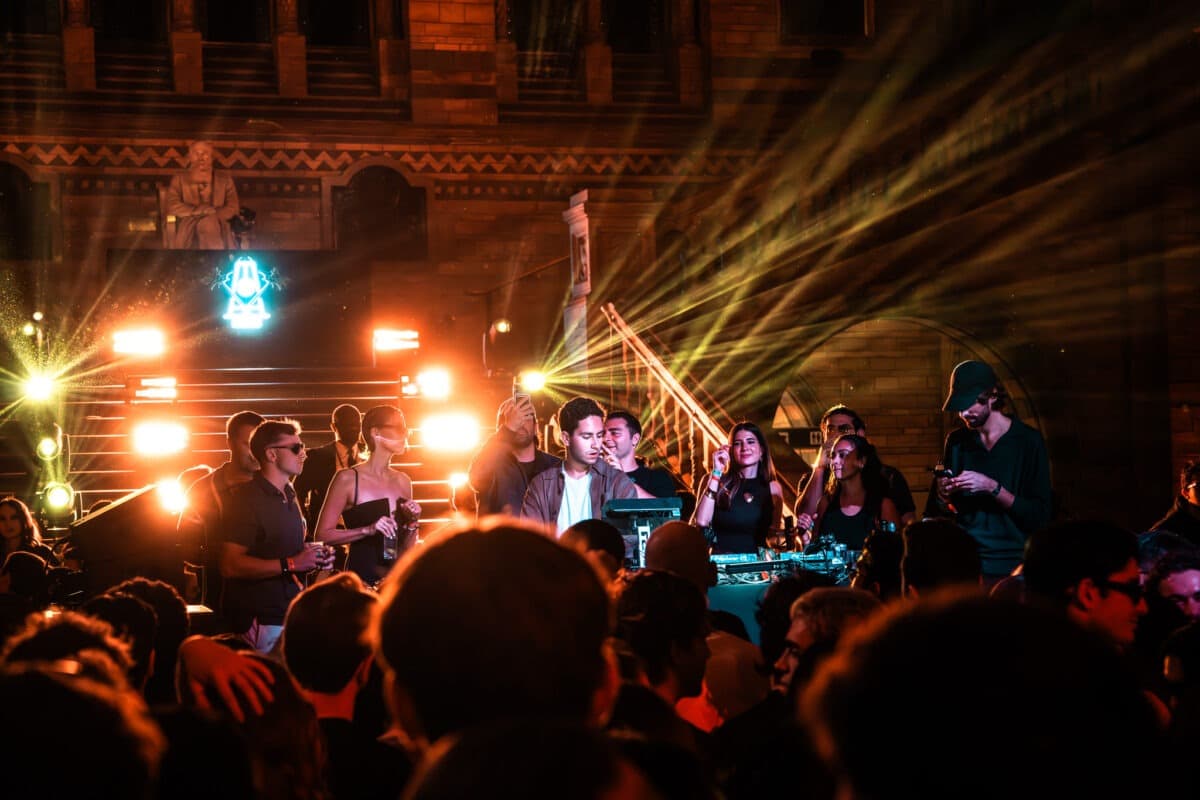 Insights & Guides
Why Full-Service AV Beats Piecemeal Hire for Complex Corporate Events
Hiring sound from one supplier, screens from another and lighting from a third looks like the flexible option until the load in. Here is where piecemeal hire costs organisers time, and when a single production team is worth it.
Read the guide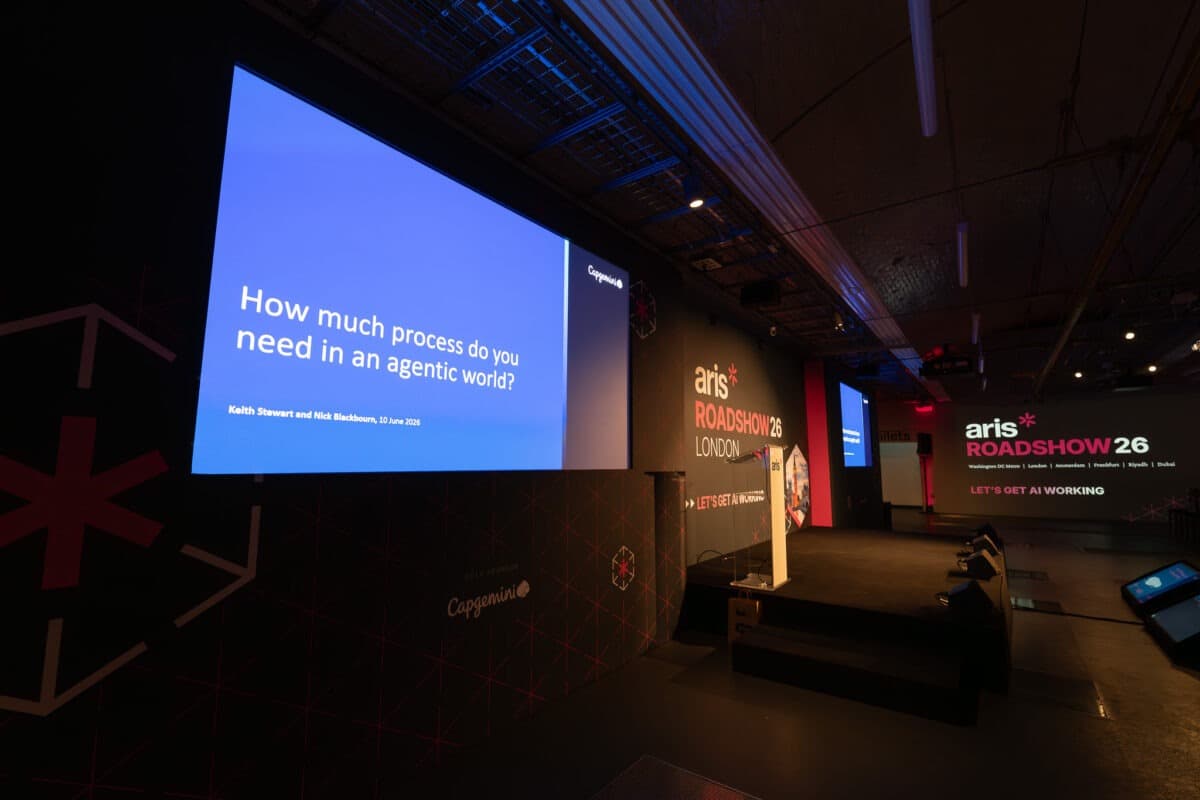 Insights & Guides
How to Prevent Technical Failures at Corporate Events: A Planner’s Reliability Checklist
Microphones die, screens go black and streams drop out, almost always because of something missed in planning rather than something wrong with the kit. Here is the checklist that stops it, with the numbers most guides leave out.
Read the guide