
What Is Hybrid Event Production? How to Run a Live and Online Event Without Losing Either Audience
Hybrid production is more than pointing a camera at the stage. What it involves, how it differs from a livestream, the technology you need and how to keep the room and the online audience equally engaged.
 Kudos AV · Production insights
In this article
A live event no longer has to stop at the venue doors. With the right production setup, people in the room and viewers joining from different locations can experience the same event in real time.
If you are wondering what is hybrid event production, it is the process of bringing a physical event and an online audience together through live video, professional audio, streaming, interactive content and technical coordination.
Kudos AV provides audio-visual, video, lighting, staging, live streaming and technical production services that help organisations connect in-person and remote audiences through a well-coordinated event experience.
Key takeaways
- Hybrid events bring physical and online audiences together through one coordinated event experience.
- Successful production requires reliable audio, video, streaming, internet connectivity and technical crew.
- Online attendees need opportunities to interact instead of simply watching a camera feed from the venue.
- Rehearsals help test presentations, remote speakers, cameras, sound, streaming and audience interaction before going live.
- A clear production plan helps teams manage the venue, online platform, content, speakers and technical requirements.
What is hybrid event production and how is it different from a livestream?
Hybrid events combine an in-person event with an online live event. People attending in person take part in presentations, panel discussions, performances or networking, while those attending online take part in the same programme through an online platform.
Livestreaming simply shows people what is happening at the venue. Hybrid event production means planning the event to cater to both audiences. Remote speakers can join the programme, and remote participants can ask questions, vote in polls and take part in sessions. That means the production crew has to think about what each audience sees and hears throughout the whole event.
Why are hybrid events becoming more popular?
Travel restrictions, international teams, remote working and wider audience access have made hybrid formats useful for many organisations. A company can hold a conference at a physical venue while allowing customers, employees, speakers or partners from other locations to join online.
Hybrid formats can also extend an event beyond its physical capacity. Someone who cannot travel to the venue can still attend a keynote, panel discussion, product launch or training session.
What technology do you need for a successful hybrid event?
The technical side of a hybrid event should combine the physical and virtual elements without disturbing the live broadcast. The main requirements are:
- Cameras: several camera angles are needed to capture the speakers, the presentations, the activity on stage and the audience's reaction.
- Audio equipment: professional microphones and mixing let both the physical and virtual audiences hear the programme clearly.
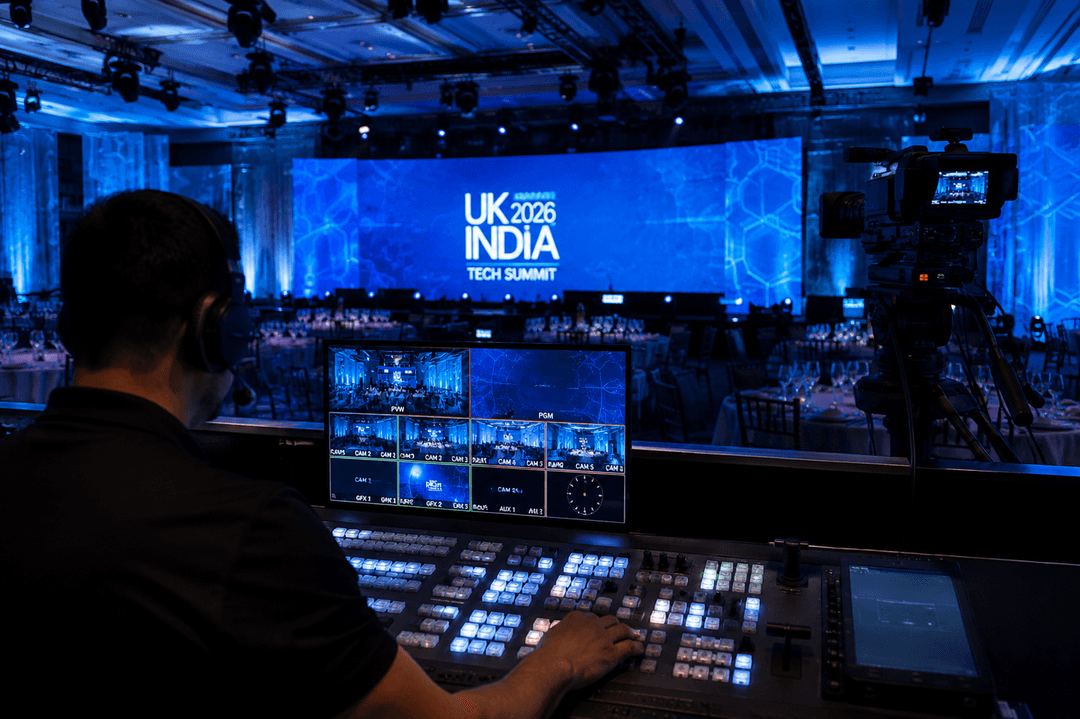
- Streaming equipment: encoders, vision mixing and streaming services deliver the live broadcast to remote audiences.
- Connectivity: a strong connection and backup solutions minimise the risk of disruption.
- Presentation tools: visuals such as slides and videos should display correctly for both audiences.
- Communication system: reliable comms keep the production team in step while capturing, mixing, displaying and presenting.
These elements form the foundation of hybrid event technology.
How to run a hybrid event from start to finish
Proper planning starts before any equipment reaches the venue. It begins with defining the requirements of both audiences, as well as which sessions will take place online.
Next comes the technical planning: preparing the presentations, choosing the streaming platform, testing the connections of remote speakers and delegating tasks to the production team.
That should be followed by a rehearsal where you test the cameras, microphones, presentations, internet connectivity, remote speakers, the stream and audience interaction before the actual event.
Once the event kicks off, the production team makes sure the live broadcast proceeds as planned while managing the camera switching, sound and content playback, among other things.
How can you keep online and in-person audiences engaged?
The remote audience should not just be watching a static feed from the camera. Q&A sessions, polls, moderated questions, remote speakers and session hosts can bring the digital audience into the event.
Presenters should acknowledge the online audience too, wherever it is relevant. It is a small thing, but one that makes a real difference to how included remote viewers feel.
What are the biggest challenges of hybrid events?
Technical difficulties can affect either audience if the production has not been tested properly. The usual problems are an unstable internet connection, echo in the audio, technical issues with remote speakers, delays in the presentation, poor camera angles and an online audience that drifts away.
Backup planning, equipment testing, clear instructions for speakers and a full-scale rehearsal all reduce those risks. Monitoring the online feed throughout the event is another useful safeguard.
When is a hybrid event the right choice?
Hybrid events suit conferences, corporate events, award ceremonies, product launches, exhibitions, training programmes and panel discussions. The format is especially useful when certain people cannot travel, or when an organisation wants to reach people beyond the venue.
What should you consider before hiring a hybrid event production team?
First, check the team's experience of running this kind of event: the format, the technology, the venue, the streaming and the number of attendees expected.
Other considerations include time for rehearsals, backup internet connectivity, the equipment needed, video recording, audience engagement and delivery of content after the event. Choosing the right hybrid event production services brings all of these factors together without leaving important technical decisions to the last moment.
What makes hybrid event production work well?
The strongest hybrid events treat online attendees as part of the audience from the beginning. The venue, content, presenters, technology, production crew and digital experience all need to work together.
Kudos AV supports live event production across audio-visual, video, lighting, staging and streaming, giving organisers access to technical specialists for different event requirements. A hybrid event production company can help manage these moving parts before and during the event, but success still starts with clear planning and a well-tested production plan.
Ready to make your hybrid event work for every audience?
Understanding what is hybrid event production is the first step. Delivering it successfully requires the right technology, technical crew, planning and live production support. Kudos AV brings video, audio, lighting, staging, live streaming and technical production together to create a connected experience for audiences in the venue and online.
Planning your next hybrid event? Talk to Kudos AV today and let our team help you build a production setup that keeps every audience connected from start to finish.
Frequently asked questions
What is the difference between a hybrid event and a virtual event?
A hybrid event has both a physical audience and an online audience. A virtual event takes place entirely online, without attendees gathering at a physical venue.
Can a hybrid event include remote speakers?
Yes. Remote speakers can join through video conferencing or dedicated contribution systems. Their audio and video feeds are then integrated into the live event.
How do you keep online attendees engaged?
Live Q&A, polls, chat, remote speakers, moderated questions and interactive sessions give online attendees ways to participate throughout the event.
What equipment is needed for a hybrid event?
The requirements can include cameras, microphones, audio mixing systems, presentation displays, streaming equipment, reliable internet connectivity, production communication systems and suitable software platforms.
How early should you plan a hybrid event?
Early planning gives the production team time to review the venue, confirm technical requirements, prepare content, test remote connections and rehearse the full programme before the event.
Hybrid production in action
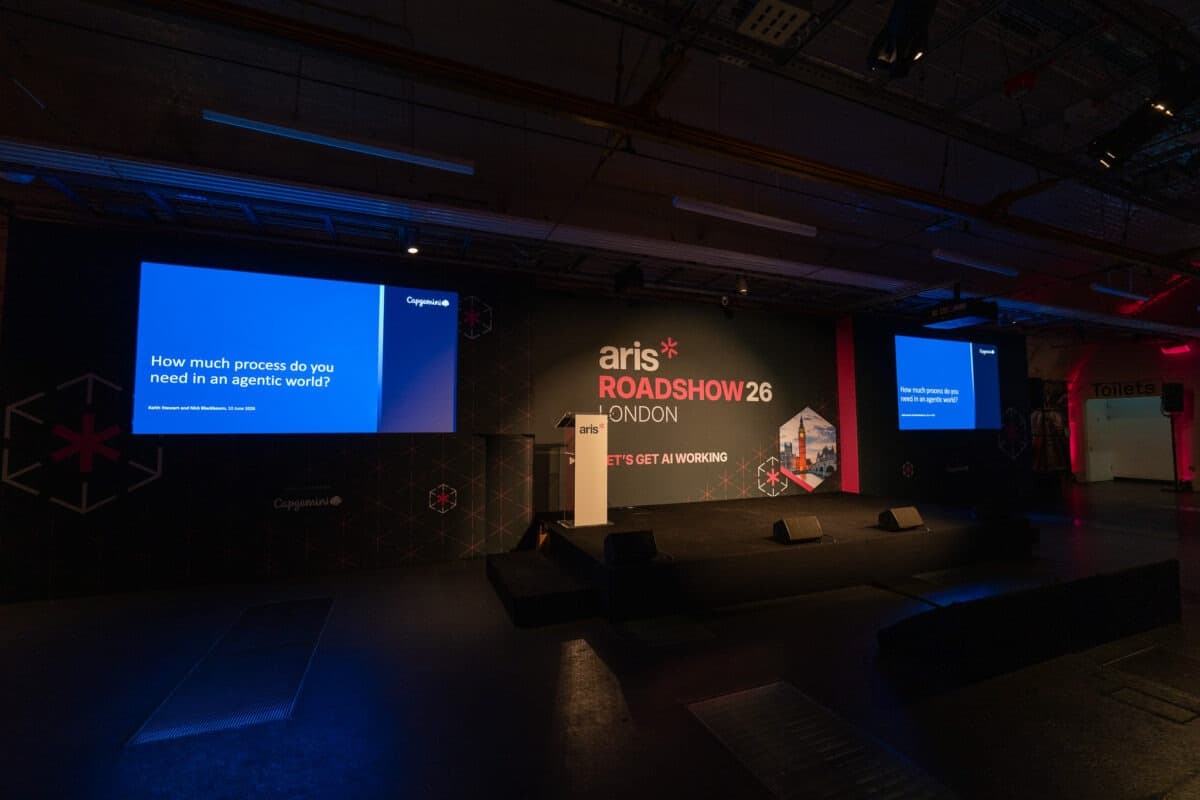 Insights & Guides
Complete Guide to Planning a Hybrid Event in 2026
A practical hybrid event planning guide: how to connect in-person and virtual audiences with the right technology, stage design, streaming and engagement, so everyone feels like they are in the front row.
Read the guide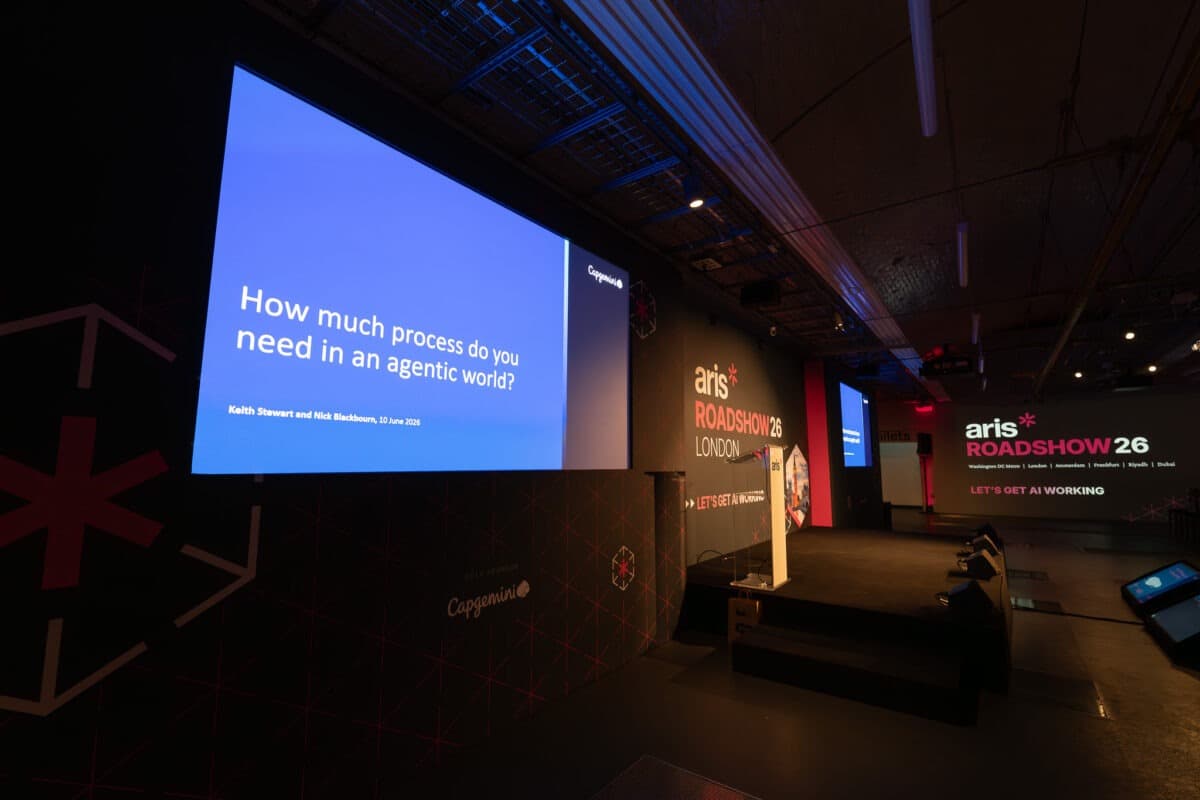 Insights & Guides
How to Prevent Technical Failures at Corporate Events: A Planner’s Reliability Checklist
Microphones die, screens go black and streams drop out, almost always because of something missed in planning rather than something wrong with the kit. Here is the checklist that stops it, with the numbers most guides leave out.
Read the guide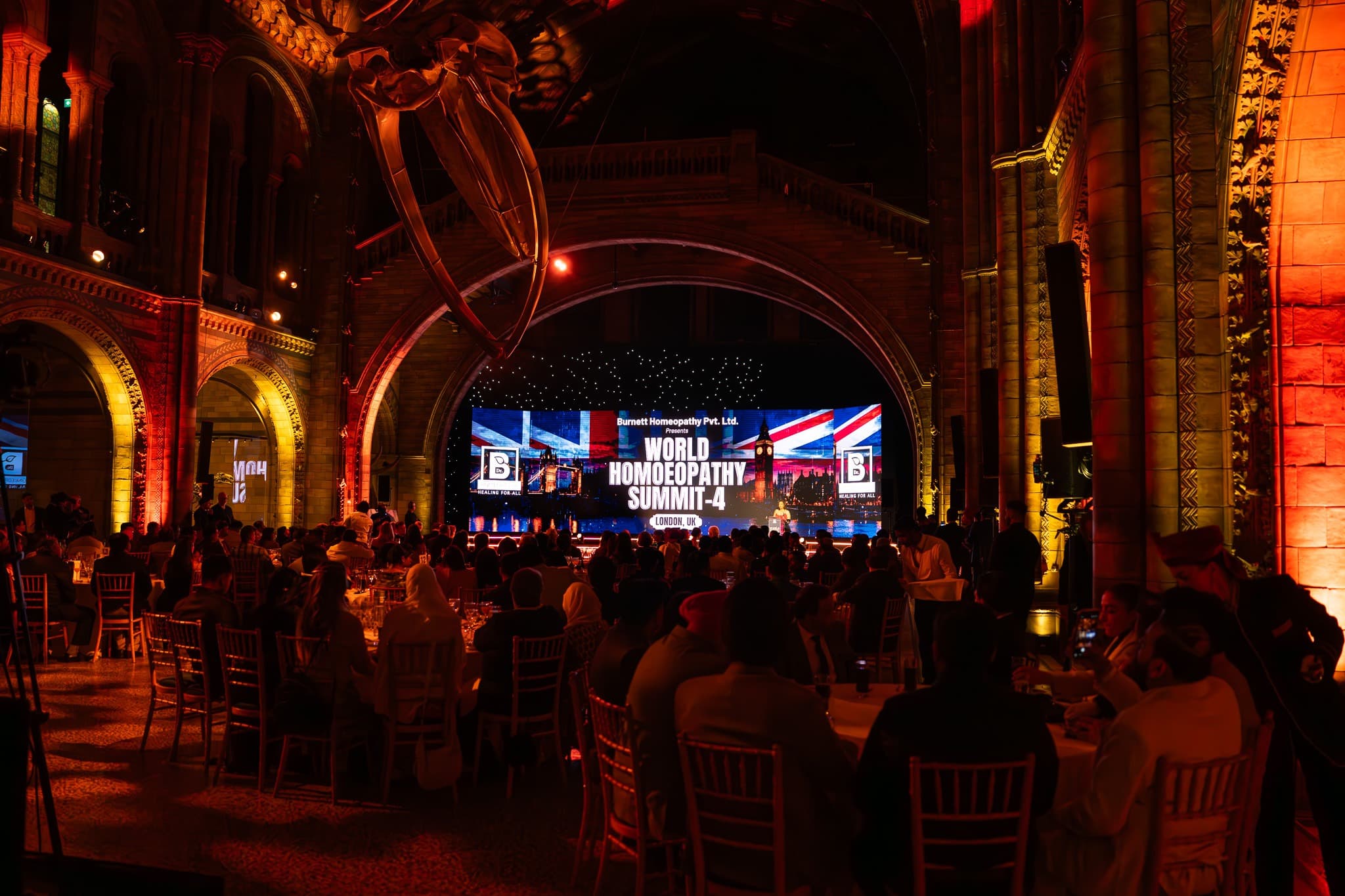 Insights & Guides
What Does an Event Production Company Actually Do? (And Why It Matters for Your Event)
From the first technical plan to the final pack-down: the equipment, people and preparation behind a successful live event.
Read the guide