
How Much Does Event Production Really Cost in London? A Budget Breakdown for Planners
Venue hire is only the start. Here is what actually sits inside an event production budget in London, which decisions move the number most, and how to lock the cost down before you brief suppliers.
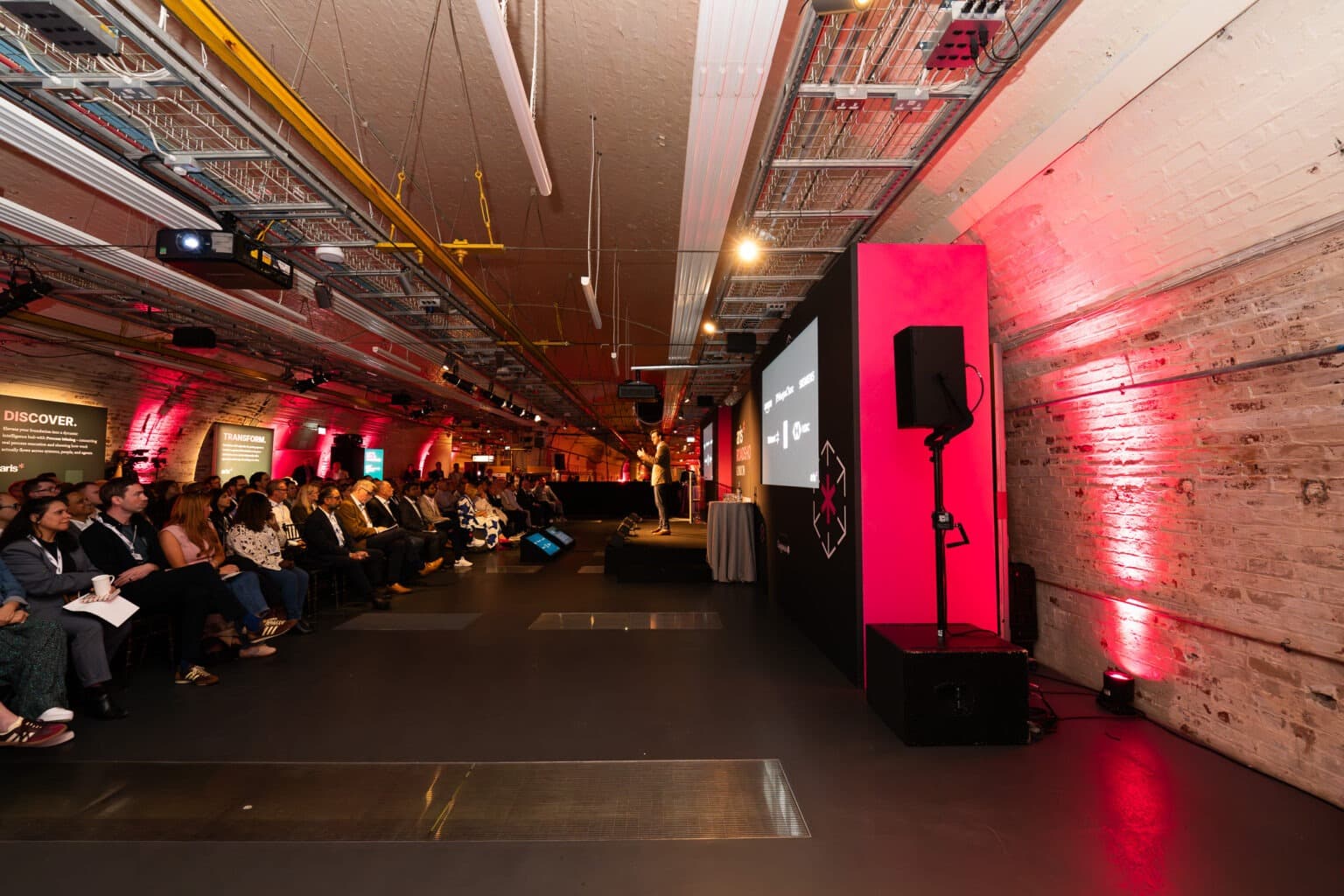 Kudos AV · Production insights
In this article
Ever signed off an event budget that looked comfortable in January and felt tight by the week of the show? It is one of the most common experiences in event planning, and it is rarely caused by one big overspend. It is caused by the production detail that nobody costed at the start.
Venue hire is the easy number. It arrives early, it is quoted clearly, and it goes straight into the spreadsheet. Everything that turns an empty room into an event, the staging, the screens, the microphones, the lighting and the crew who make it all work, tends to be estimated rather than specified. That gap is where budgets move.
UK event reporting keeps showing the same pattern: organisations are spending more on live experiences because a well produced event builds connections that a plain meeting never will. So when the time comes to hire audio visual equipment, understanding what sits behind each line is the most reliable way to keep the number where you put it.
Kudos AV delivers full service event production across London and the UK: custom stage builds, LED screens and video, sound systems, lighting design and live show management. This guide sets out how a production budget is actually built, so you can see where every pound goes before show day.
Key takeaways
- Which production elements have the biggest effect on your overall budget.
- How venue, format and technology decisions change the cost, often more than guest numbers do.
- Practical ways to fix the budget before you brief suppliers.
- Where professional production genuinely improves the attendee experience.
- The budget areas that deserve attention in the first fortnight of planning.
What makes up an event production budget?
Most people picture event production as a list of equipment. In practice it is a set of connected services, and the equipment is often the smaller half of the invoice.
A typical production budget covers:
- Audio systems sized to the room, including microphones, playback and comms.
- Lighting design and the operator who runs it.
- LED screens, projection and video, plus vision mixing and playback.
- Stage construction and scenic elements.
- Rigging, power distribution and installation.
- Technical crew, on site support and show management.
- Presentation and content handling for speakers.
- Transport, and the build and derig either side of the event.
Every event combines these differently, which is why production does not come off a fixed price list. Two conferences with the same headcount can sit a long way apart on cost if one is in a purpose built auditorium and the other is in a listed building with a four hour get in.

Where does most of the budget go?
The largest costs follow the type of event being delivered, not the number of guests attending. A 120 person awards night with a custom stage and a full rig can cost considerably more to produce than a 600 person conference in a room that is already equipped.
| Production element | What it is doing for the budget |
|---|---|
| Venue production | Meets the technical requirements and restrictions of the space |
| Audio and video | Keeps every presentation clear and visible from every seat |
| Lighting | Creates atmosphere, and makes speakers and cameras work |
| Staging | Gives structure to presentations and performances |
| Technical crew | Turns a kit list into a show that runs on time |
| Scenic design | Carries the branding and the visual impact |
When you are shaping an event production budget in the UK, judge each line by what the audience gets from it rather than by the day rate of the equipment. The elements guests actually notice, clear sound, a stage they can see, a room that feels considered, are the ones they remember afterwards.
The costs planners tend to miss
Equipment is easy to compare between quotes. The items below are the ones that quietly separate an accurate budget from an optimistic one.
Crew days, not equipment days
A one day conference is rarely a one day job. Build, rehearsal, show and derig can run across three days, and the crew is charged for all of them. Ask early how many days a specification actually implies.
Access and load in windows
Venues with restricted access, timed loading bays or an overnight derig push labour costs up before a single light is hung. City centre and heritage venues are usually the tightest.
Rigging and power
Whether a venue has usable rigging points and enough distributed power decides whether you are hanging a rig or building ground support towers for it. That is a structural difference in cost, and it is discovered on a site visit, not in an email.
Rehearsal and content time
Speaker slides arriving late is the most predictable event on any run sheet. Building content handling and a proper rehearsal into the plan is far cheaper than fixing it live.
Contingency
A sensible production budget holds something back for the change that always arrives: an extra breakout, a late sponsor, a room switch. Planning for it means it does not come out of something else.
How can planners control event production costs?
Set the priorities as early as possible. A production plan agreed up front is what prevents the late decisions that cost the most.
- Agree the essential purpose of the event before choosing any production elements.
- Specify technology that improves the audience experience, not technology added because it is available.
- Confirm venue constraints, ideally on a site visit, before the equipment list is written.
- Put technical planning and rehearsal in the schedule at the same time as the programme.
- Keep a clear split between essential services and optional extras, so any cut is a decision rather than a scramble.
A well planned corporate event budget in London balances the creative ambition against the technical reality. Conferences usually need strong presentation support and intelligible audio above everything else. Product launches lean towards larger visual displays, custom staging and a branded environment that photographs well.

How technology affects event production costs
Technical decisions shape both the cost and the experience, from LED displays and presentation systems through to streaming platforms.
Many organisers now build hybrid delivery into the plan to connect the room with an online audience. That means extra cameras, a vision mix, a streaming platform and additional operators, and it needs a dedicated connection with a backup rather than the venue guest wifi. Live event streaming has changed how businesses run conferences, training and company meetings, because the event is no longer limited to the people who could travel to it. Good online production lets a brand reach a wider audience and keeps the content working long after the day.
The decision worth making early is whether the event is streamed or simply recorded. Streaming carries crew and platform costs on the day. Recording is a fraction of that and still produces content. Choosing between them at the start is straightforward; changing your mind in the final week is not.
What should you consider before hiring event production services?
The size and nature of the event
A leadership briefing, a conference and an awards ceremony need genuinely different setups, and the crew size follows the specification rather than the guest list.
Venue requirements
Layout, access points, ceiling height, rigging capacity, power and noise restrictions all change what can be installed and how long it takes. A site visit answers most of these questions before they turn into costs.
Audience experience
Think about what attendees need to see, hear and feel across the whole event, including the arrival, the breaks and the room they walk back into after lunch.
Production timeline
Complex builds need preparation time for design, prep, testing and installation. A compressed schedule does not reduce the work, it just means more crew doing it at once.
Kudos AV works with organisers to translate these requirements into a production plan that suits the event, the venue and the budget, with the specification agreed before anything is booked.
How much should you budget for event production in London?
There is no fixed price, because every project carries different requirements. What is predictable is the shape of the specification.
A straightforward corporate event usually needs:
- Audio equipment sized to the room, with radio microphones
- Presentation screens or a single LED wall
- A simple stage setup
- Lighting for the speakers and the room
- A small crew for the build and the show
A larger production adds:
- LED walls and side screens
- Multiple cameras with a vision mix
- Custom staging and scenic
- An intelligent lighting rig, with rigging or ground support
- Live streaming and content management
- Additional technical crew across a multi day build
Audio visual equipment hire is what makes the higher specification realistic. Organisers get professional, serviced equipment for the days it is needed, without buying kit that suits one format of event and then sits in storage depreciating.
Create a Seamless Event With Expert Production Support
Planning an event in London? From audio, lighting and staging to video, streaming and full technical delivery, Kudos AV builds a production plan that fits the brief and the budget, with the costs visible before you commit.
Get Your Event Production QuoteConclusion
Event production costs in London are shaped by the format of the event, the technology involved, the conditions of the venue and the level of technical support required. A good budget is not the one that picks the cheapest option on every line. It is the one that puts the money where the audience experiences it, and knows exactly what it is buying everywhere else.
Whether it is a corporate meeting, a conference, a hybrid event or a large scale production, understanding the cost drivers early is what keeps the show looking professional and the budget predictable. The planners who avoid surprises are almost always the ones who specified the production before they priced it.
Whether you need to hire audio visual equipment for a conference, a product launch or a large scale event, Kudos AV can help you plan the right setup with expert support, reliable equipment and a production designed around your goals.
Frequently asked questions
How much does event production cost in London?
It follows the specification rather than the headcount. A one room conference with audio, a screen and a small crew sits at one end; a launch or awards night with LED, custom staging and an overnight build sits at the other. Venue access and crew days often move the number more than the equipment does.
What services are included in event production?
Audio, lighting, staging, LED screens and video, presentation support, rigging and power, technical crew, streaming and show management, plus transport and the build and derig either side of the event.
Is it better to hire audio visual equipment or buy it?
For most organisers, hiring is more cost effective. It gives access to current, serviced technology without the long term costs of storage, testing, insurance and upgrades.
How does live streaming affect an event budget?
It adds cameras, operators, a platform and a dedicated connection with a backup, and in return extends the reach of the event well beyond the room.
When should I start planning event production?
As soon as the venue is confirmed. An early site visit settles rigging, power and access, which is where late cost surprises usually come from.
Production budgets at work
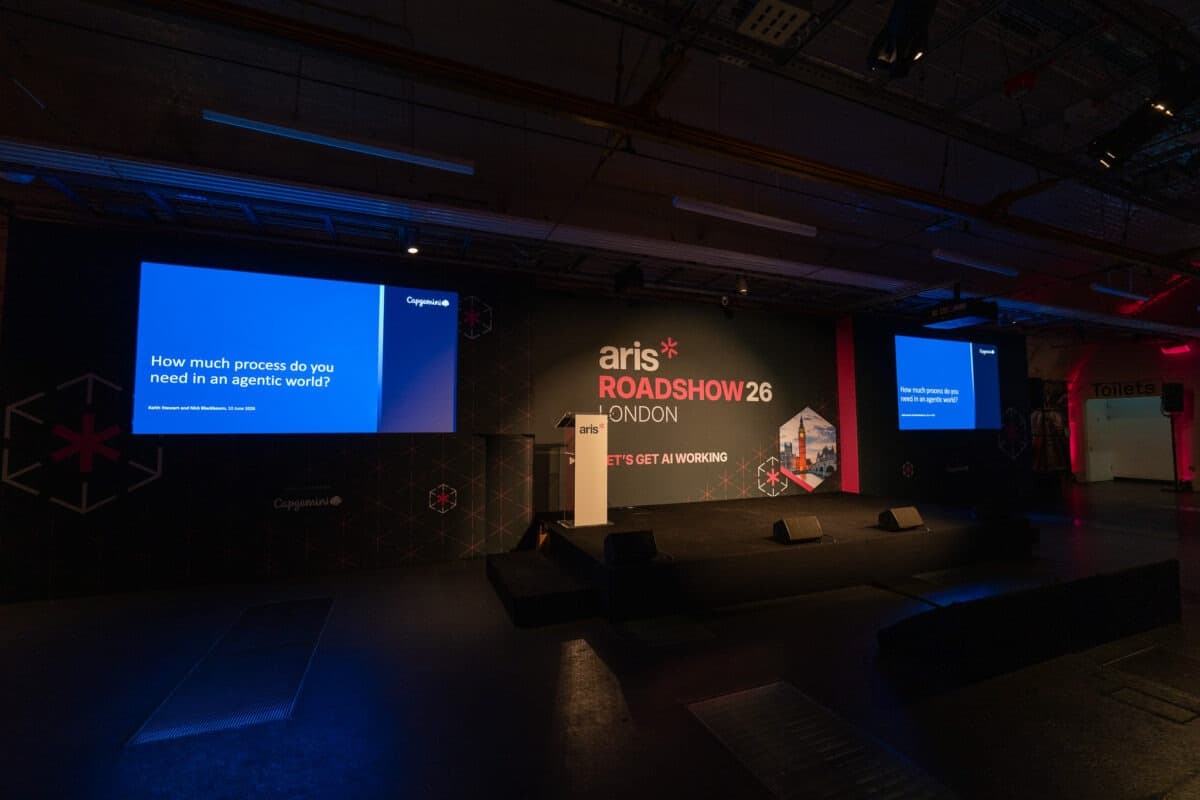 Insights & Guides
Complete Guide to Planning a Hybrid Event in 2026
A practical hybrid event planning guide: how to connect in-person and virtual audiences with the right technology, stage design, streaming and engagement, so everyone feels like they are in the front row.
Read the guide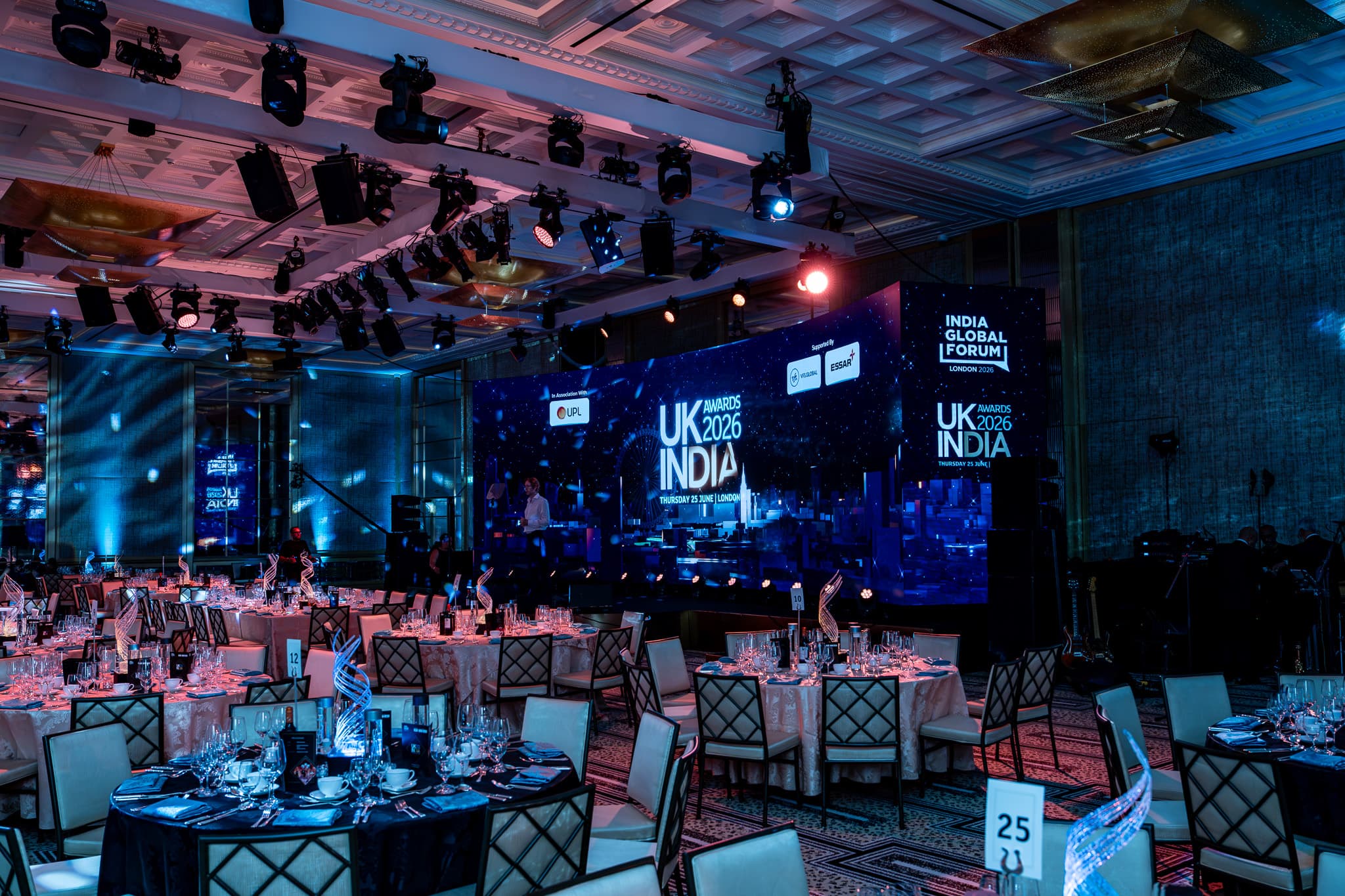 Insights & Guides
What Makes a Great Stage Design for Corporate Events?
Sightlines, branding, production integration and room to move, the principles of stage design that turn a platform into an event people remember, plus stage layouts by event type.
Read the guide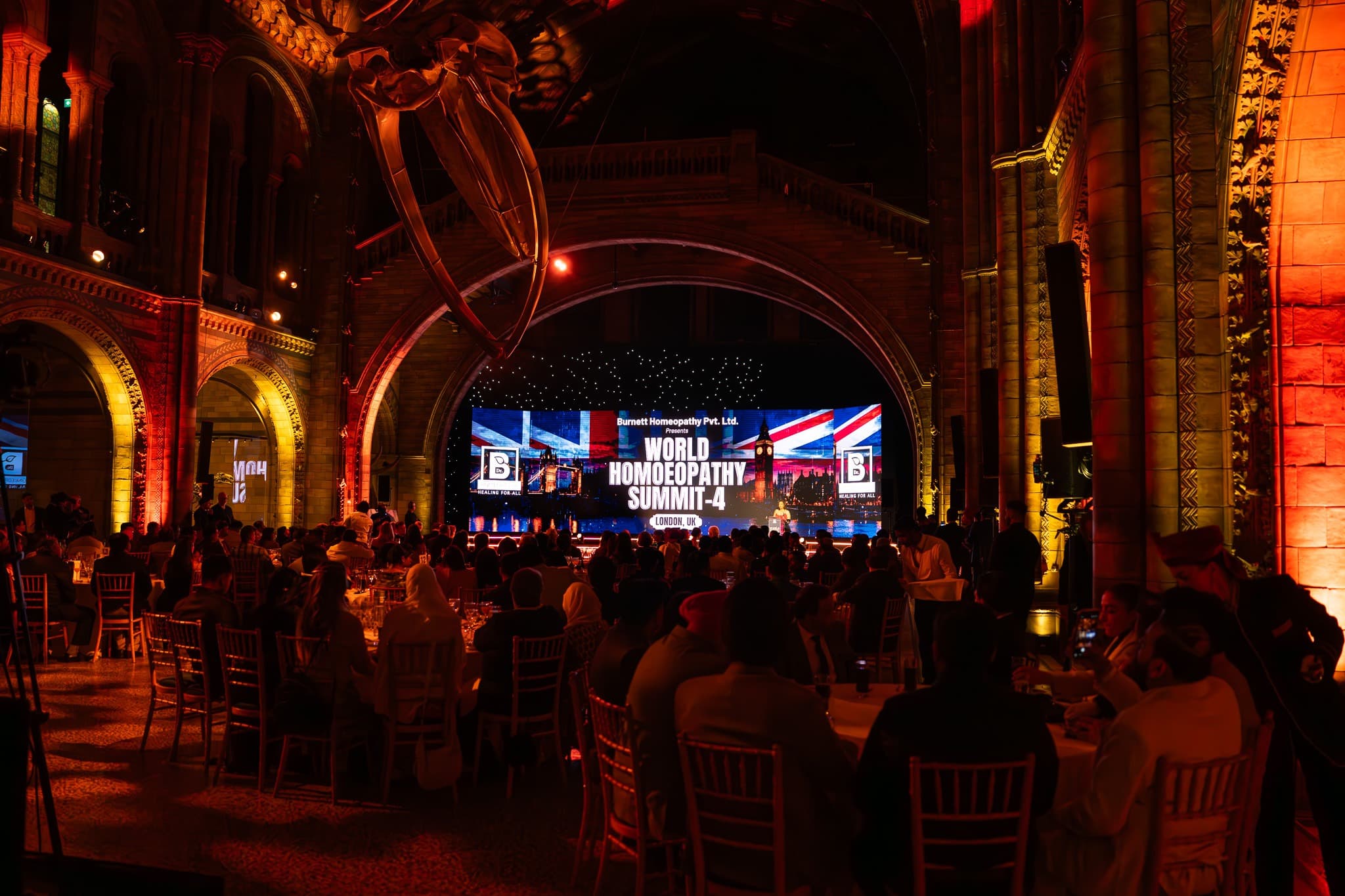 Insights & Guides
What Does an Event Production Company Actually Do? (And Why It Matters for Your Event)
From the first technical plan to the final pack-down: the equipment, people and preparation behind a successful live event.
Read the guide