
What Makes a Great Stage Design for Corporate Events?
Sightlines, branding, production integration and room to move, the principles of stage design that turn a platform into an event people remember, plus stage layouts by event type.
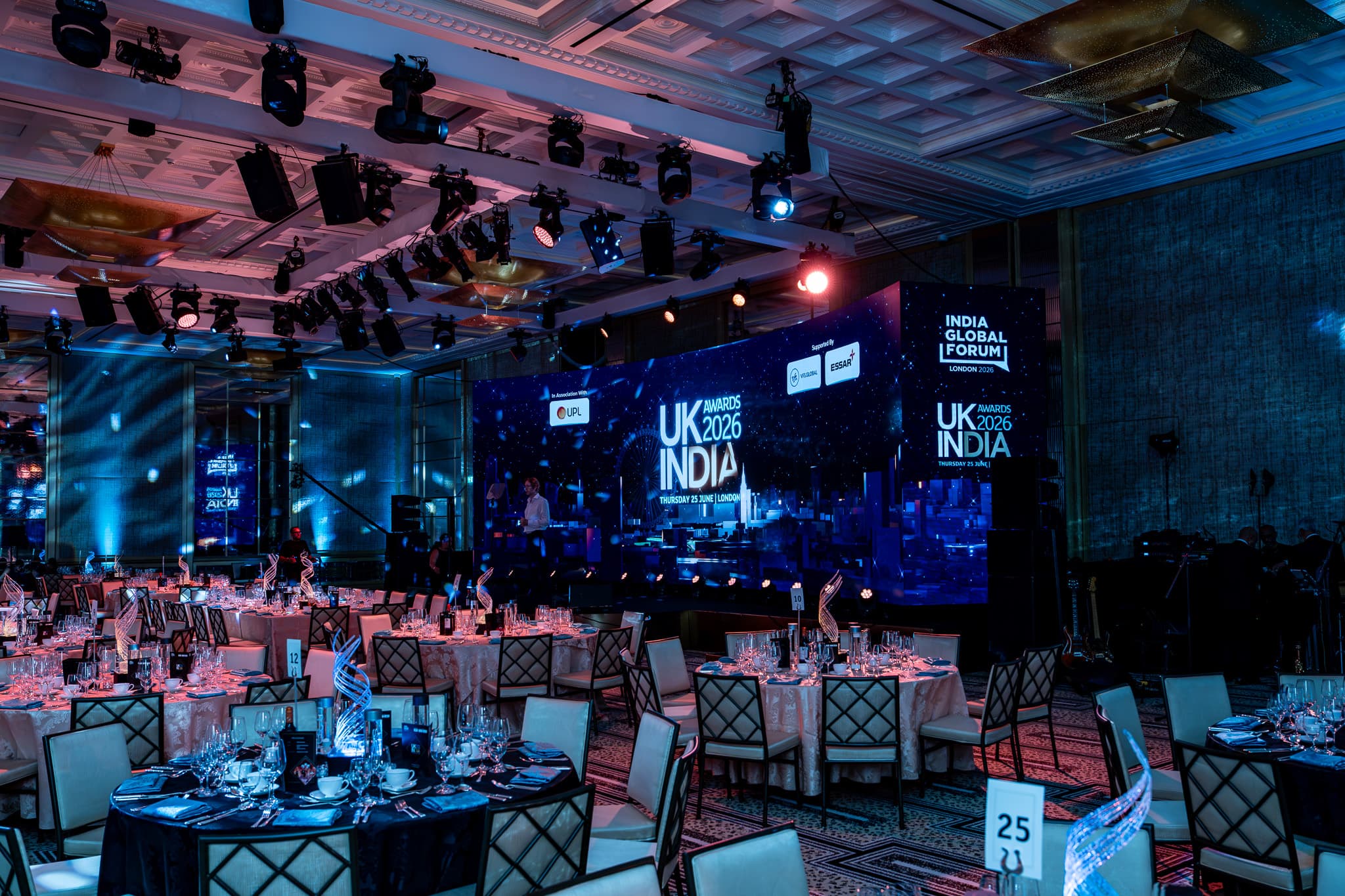 Kudos AV · Production insights
In this article
Ever walked into a corporate event and felt impressed before the first speaker even took the stage? That's the power of great stage design. Long before a presentation begins, the stage sets expectations, captures attention, and shapes how the audience experiences the event.
The principles of stage design go far beyond building a platform. They create spaces that support communication, strengthen branding, and keep audiences engaged from start to finish. People may forget the detail on every slide, but they remember how the event looked and felt. Industry research continues to show that attendees place greater value on immersive environments and engaging event spaces, encouraging organisers to invest more in thoughtful stage design.
From lighting layouts and branded scenic elements to clear sightlines and seamless production, every detail influences how your message is received. Whether you're hosting a conference, leadership summit, or product launch, working with an experienced event staging company in London can help create a stage that supports your goals while improving the overall event experience.
Kudos AV provides staging, lighting, sound and scenic production for events across the UK, building stage environments around each venue, audience and event objective. Let's look at what turns a simple stage into an experience people remember.
Key takeaways
- The key principles behind a successful corporate event stage.
- How stage design influences audience engagement and speaker confidence.
- The elements that improve visibility, branding and production quality.
- Simple ideas that make a stage more functional and more visually engaging.
- The planning decisions that quietly make event day run more smoothly.
Why stage design matters at corporate events
A stage is much more than somewhere for speakers to stand. It is the visual focus of the event, and usually the audience's first impression of it.
The moment guests walk into the venue, their attention moves to the stage. Its size, design, lighting and branding tell them the style and significance of the event before a word is spoken. A clean, well-organised stage signals confidence; a cluttered one undermines even the best presentation.
Good stage design also helps the presenter. Clear sightlines, room to move and sensible screen placement let speakers connect with the audience naturally rather than working around the set.
The benefits reach beyond the room. Stage design shapes what photographers, videographers and live stream viewers get too. Every camera angle, lighting position and branded backdrop affects how the event is seen after the night is over.
A successful stage lifts every presentation without ever competing with the message.
The core principles of great stage design
Every memorable event follows a few essential principles of stage design that balance creativity with function. A stage should look impressive and make life easier for the speaker, the audience and the production team at the same time.
1. Clear audience sightlines
Everyone needs to see the stage, wherever they are sitting. Stage height, screen position and audience layout all decide whether that happens.
2. Design around the event goals
A conference keynote, an awards presentation and a product launch all do different jobs. The stage should be built for the purpose of the event rather than dropped in as a standard setup.
3. Create a balanced visual layout
Screens, scenic elements, lecterns and branding should work together without crowding the stage. The result stays clean, and the audience keeps its attention on the speakers.
4. Integrate the production elements
Lighting, video, sound and staging should be coordinated from the outset. Planning them as one production means a smoother build and far fewer last-minute fixes on site.
5. Allow space for movement
Speakers move, between presentations, across the stage, out towards the audience. Giving them room makes a presentation feel natural rather than pinned in place.

Key design principles at a glance
- Give every seat good visibility.
- Match the stage setup to the event's purpose.
- Keep branding clean, visible and balanced.
- Plan lighting, sound and video alongside the staging.
- Leave presenters enough space to move comfortably.
How stage design influences audience experience
Every audience reacts to what they see before they react to what they hear. That is why understanding how stage design influences audience perception matters so much in event planning.
Lighting pulls focus to the right moment. Raising the stage keeps a clear line of sight across the room. Scenic elements carry the brand identity, and screen placement makes sure every guest can follow the presentation.
Good conference stage design also holds attention through the day. When the visual elements are in harmony, presentations feel like they run more smoothly and speaker transitions stop being a distraction.
Production does the quiet work behind that. With modern live event production, staging, lighting, audio, video and scenic elements are planned as a single connected system, which is what makes an event feel professional and lets the production team stay on top of it.
The best stage designs feel effortless to the audience, even though they are the result of careful planning, creative design and technical expertise.

Corporate stage design ideas that work
Every event has a different purpose, and the stage should support it. A leadership conference needs a clean, professional presentation area; an awards ceremony needs walk-on access and feature lighting to land each moment. Looking at proven event stage design ideas helps organisers pick a layout that suits the venue, the audience and the format.
| Event type | Recommended stage design |
|---|---|
| Conference | Wide stage with LED backdrop and presentation screens |
| Product launch | Branded scenic set with integrated lighting and video |
| Awards ceremony | Multi-level stage with feature lighting and walk-on access |
| Town hall meeting | Simple platform with lectern and large display screens |
| Panel discussion | Comfortable seating, branded backdrop and clear audience sightlines |
| Exhibition presentation | Compact stage with flexible display areas and digital content |
The most successful stages are designed around how the event will actually be used, helping presenters move comfortably while giving every audience member a clear view.

Event set design basics every planner should know
A great stage is only part of the picture. Scenic elements create depth, strengthen branding and give an event its own identity. A few event set design basics make planning easier and the result more polished.
Scenic panels and branded backdrops frame the stage and create a professional environment for presentations and photography. LED screens carry presentations, video, sponsor branding or dynamic graphics without adding clutter.
Presenter movement belongs in the plan early. Walkways, entrances and presentation zones should let speakers move naturally through the event rather than negotiate the set.
Venue restrictions matter just as much. Ceiling heights, loading access and available rigging points often decide how a stage can be built at all. Working these out in advance is what prevents delays on installation day.
Many organisers choose custom event staging when they want the event to reflect their brand or feel distinctive. Custom scenic elements, integrated lighting and tailored layouts let each event stand on its own while still supporting the production.
Corporate stage design tips for a smoother event
Planning ahead makes every stage perform better on the day. These corporate stage design tips help organisers avoid the usual pitfalls and give presenters and audiences a better experience.
- Visit the venue before finalising the stage layout.
- Design around audience sightlines rather than available floor space.
- Leave enough room for presenters to move naturally.
- Plan screen positions so every attendee has a clear view.
- Keep branding clean and readable from a distance.
- Schedule technical rehearsals before the event begins.
- Coordinate staging with the lighting, audio and video teams from the start.
Small planning decisions have the biggest impact once guests start arriving.
Common stage design mistakes to avoid
Even a well-planned event can run into trouble if the stage design is an afterthought. Spotting these early means fewer last-minute changes and a better event all round.
Poor audience visibility
Low stages or badly positioned screens make it hard for guests to follow presentations.
Solution: raise the stage where appropriate and position screens for maximum visibility.
Limited presenter space
Crowded layouts restrict movement and make presentations feel uncomfortable.
Solution: design open presentation areas where speakers can move freely.
Too much branding
Oversized logos and excessive graphics distract from the people on stage.
Solution: keep branding balanced and let scenic elements support the design rather than shout over it.
Late technical planning
Leaving production coordination until installation day creates avoidable delays.
Solution: bring the staging, lighting, sound and video teams in during early planning.
Ignoring camera angles
Badly positioned staging affects event photography, filming and live streaming.
Solution: review camera positions while designing the stage, so every important moment is captured cleanly.

How professional stage designers bring ideas to life
A successful stage starts long before installation day. Each project follows a defined process that takes an initial concept through to a finished event environment.
- Event brief. The team gathers the detail on the event, audience, venue, branding and presentation needs.
- Venue review. Measurements, access points, ceiling heights and production requirements are all checked on site.
- Design development. Layouts, visuals and technical drawings are developed against the event goals.
- Technical planning. Lighting, sound, video, staging and structural elements are coordinated so the production works as one.
- Installation. The crew builds the stage, installs the set and readies everything for rehearsals.
- Event delivery. Production staff stay on site to support presenters and run the technical side from first guest to final applause.
Kudos AV has extensive experience staging conferences, exhibitions, awards ceremonies and business events, where reliability and creativity have to go hand in hand.
Planning a corporate event?
A well-designed stage makes every presentation more engaging, improves audience visibility and builds a stronger connection with your brand. If you're planning your next event, Kudos AV can create staging that fits your venue, audience and production goals, from first concept to final build.
Conclusion
Great stage design is about much more than building a platform. It creates the setting where ideas are shared, brands are presented and audiences stay engaged from beginning to end.
Every successful stage starts with careful planning, clear audience sightlines, smart production integration and a design that supports the purpose of the event. Whether you're hosting a conference, a product launch or an annual company meeting, time spent on the right stage design improves the experience for speakers, guests and everyone working on the event.
The best results come from combining creativity with technical expertise, and building a stage that works naturally with the venue, the production and the audience.
Ready to bring your event vision to life? Work with Kudos AV to create a stage that blends creative design, technical expertise and seamless production for an event that makes a lasting impression.
Your questions, answered
Frequently asked questions
01What are the key principles of stage design for corporate events?
Successful stage design comes down to audience sightlines, presenter movement, branding, production integration and safety. Each supports the others: get them right together and the stage lifts the presentation instead of competing with it.
02Why is stage design important for corporate events?
The stage is the centre of the event. It shapes how the audience reads the speaker, frames every presentation, sets the quality of the photography and video, and does a lot of the work in making an event feel professional and on-purpose.
03What should a corporate event stage include?
A well-planned stage usually combines a platform, a scenic backdrop, lighting, display screens, presentation furniture, branded graphics, and enough space for presenters to move comfortably. Every element should serve the goal of the event rather than a standard template.
04When should stage design start?
As soon as the venue and event format are agreed. Starting early leaves time for design development, technical planning, approvals and installation scheduling, which is what makes event day run smoothly.
05Can a stage be designed for different types of corporate event?
Yes. Every event has different needs, so staging can be tailored for conferences, awards ceremonies, leadership meetings, exhibitions and product launches. Flexible designs let the stage suit the venue, the audience and the production requirements.
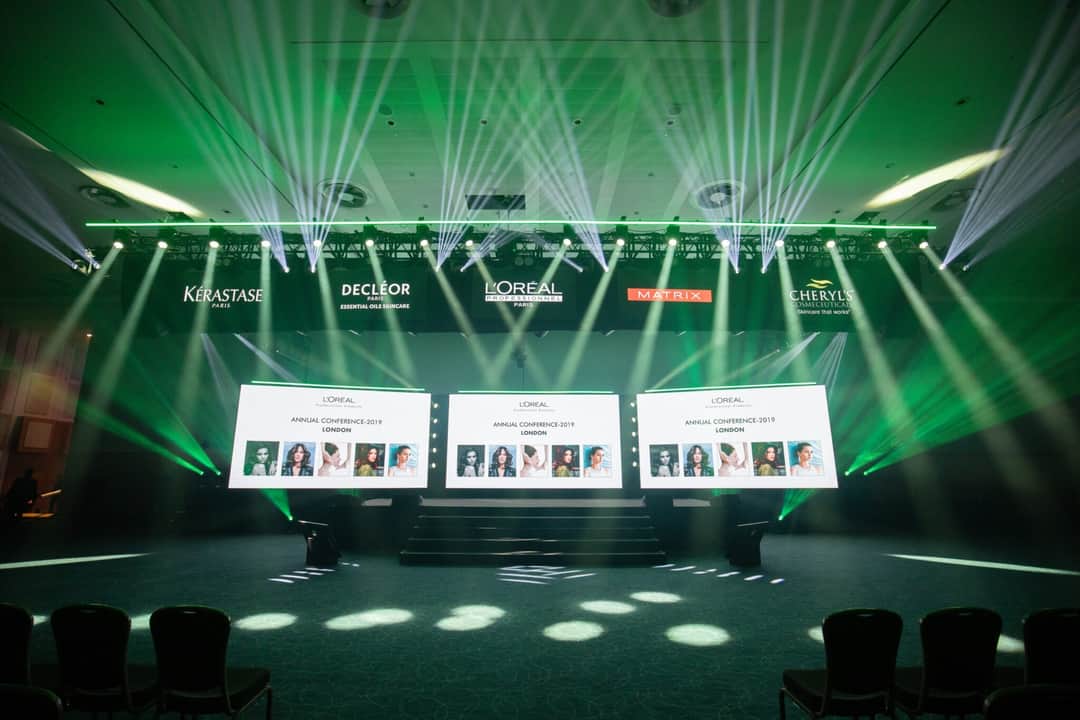
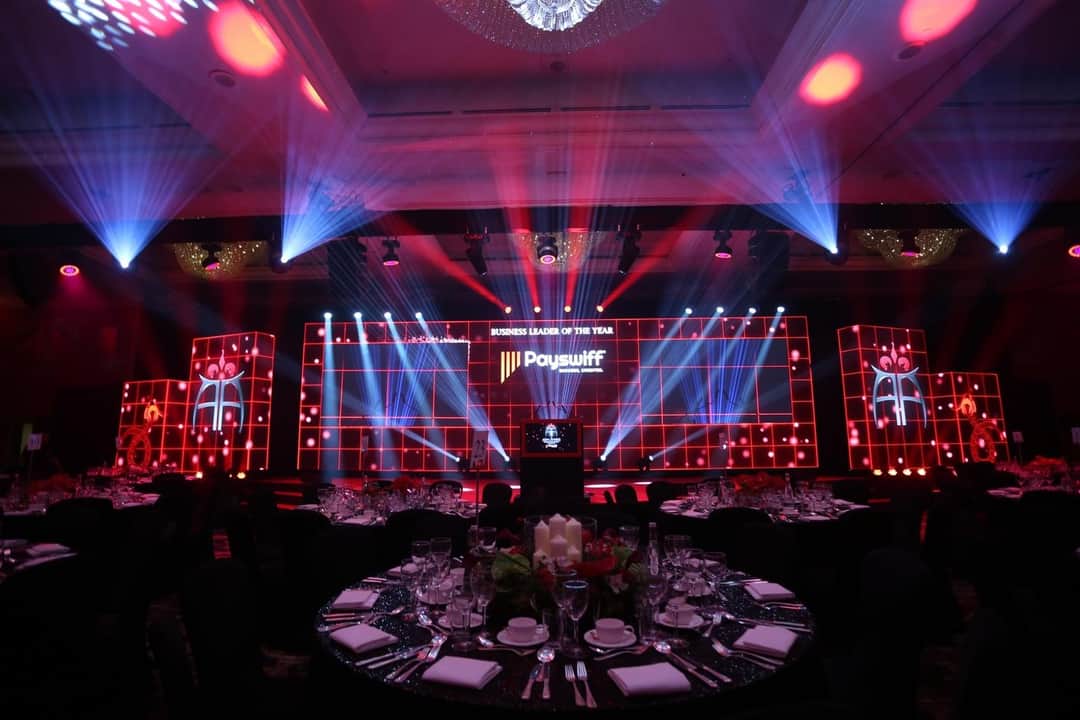
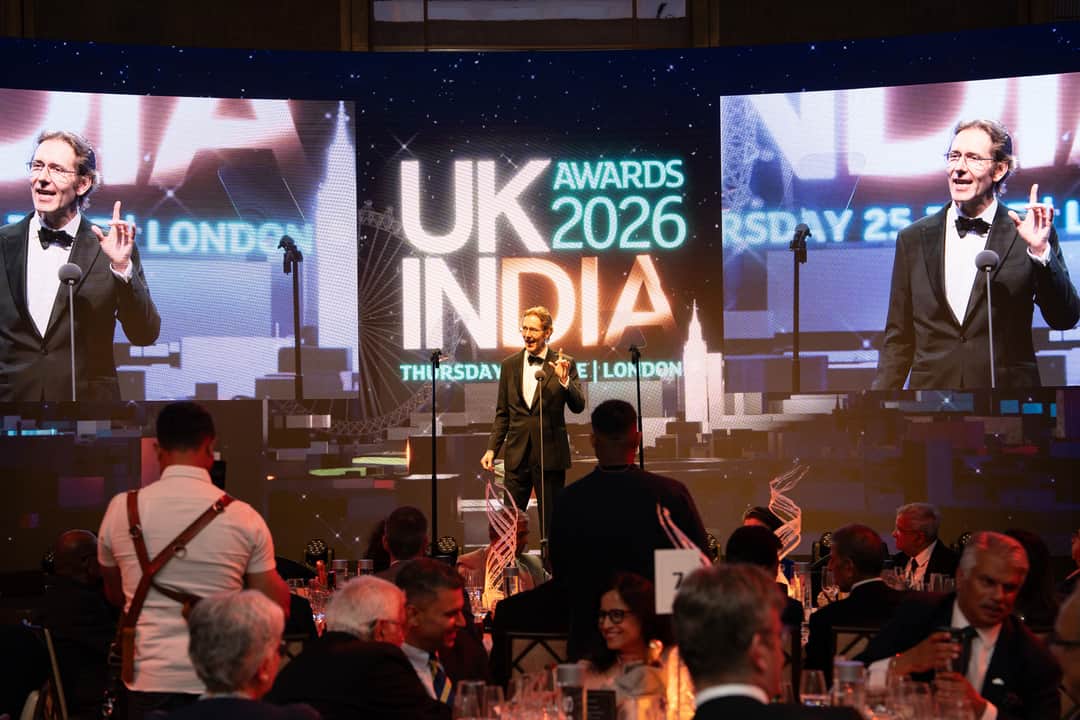
Stage design in action
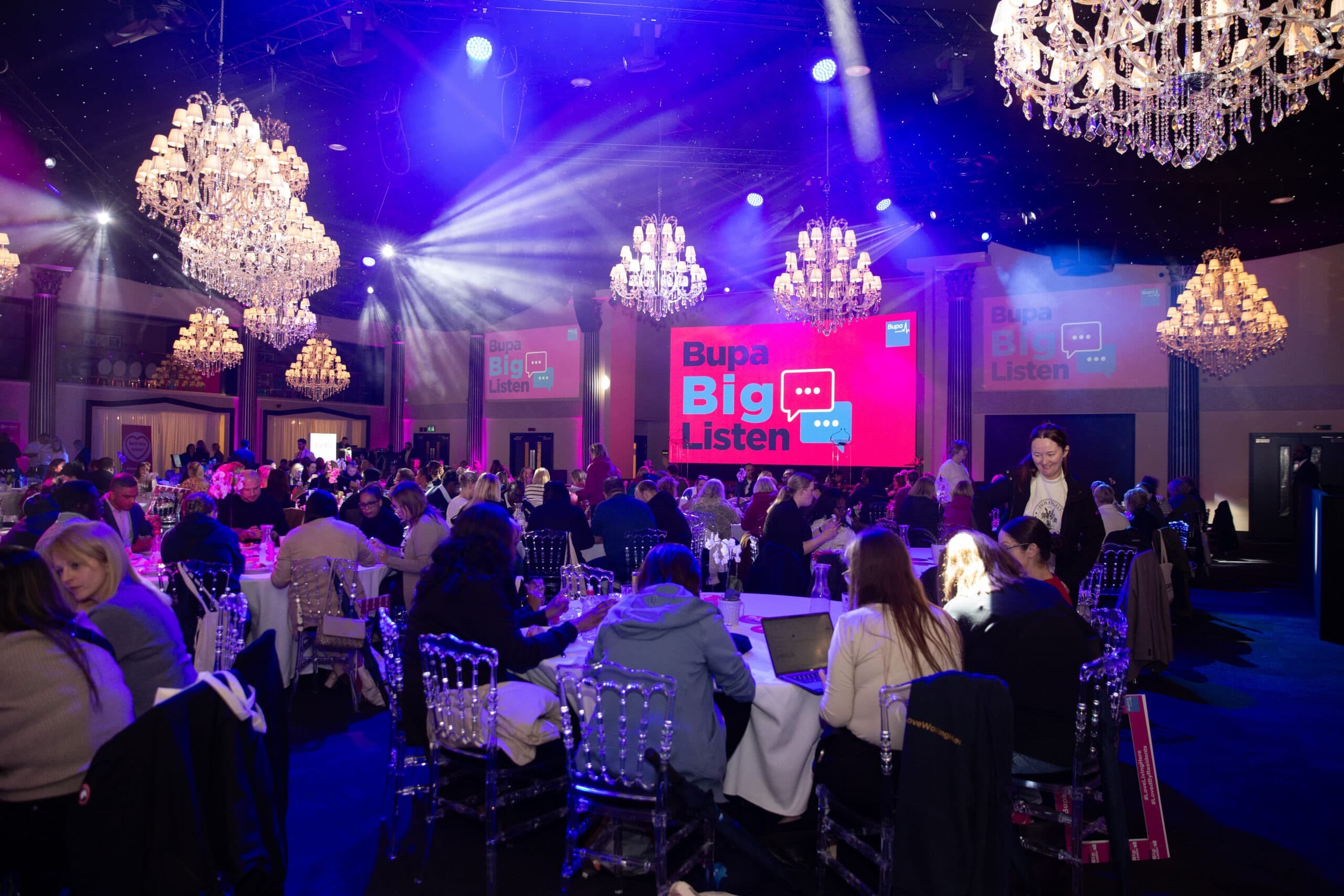 Insights & Guides
Why LED Displays Are Replacing Traditional Projection at Corporate Events
Projection dims the moment you turn the lights on, and corporate events are not held in the dark. Why LED has taken over the conference stage, and the cases where a projector is still the right call.
Read the guide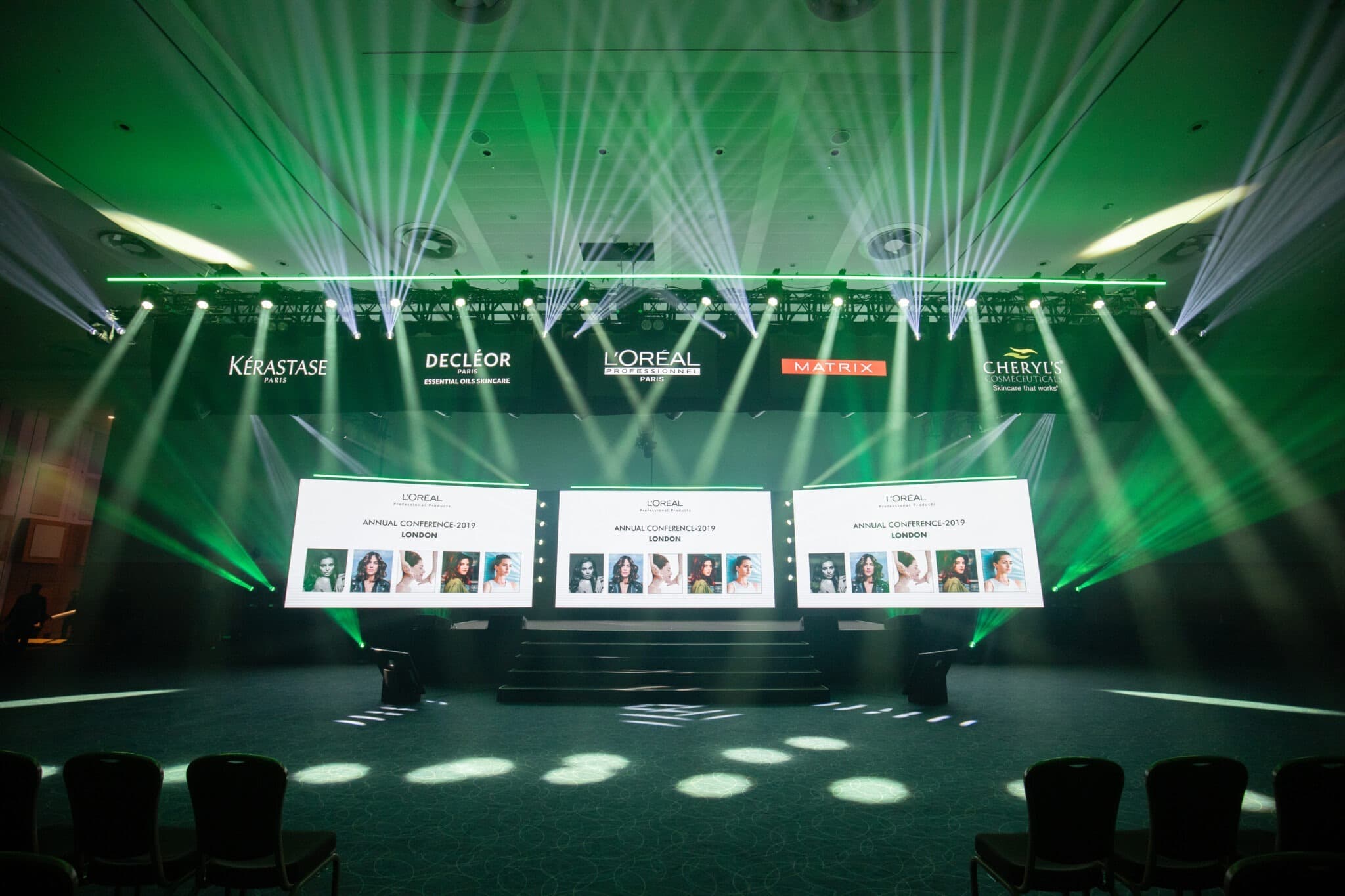 Insights & Guides
Top Event Production Trends in the UK (2026 Edition)
From LED walls and immersive design to AI-assisted planning and sustainable staging, the event production trends UK organisers are using in 2026 to create experiences audiences remember.
Read the guide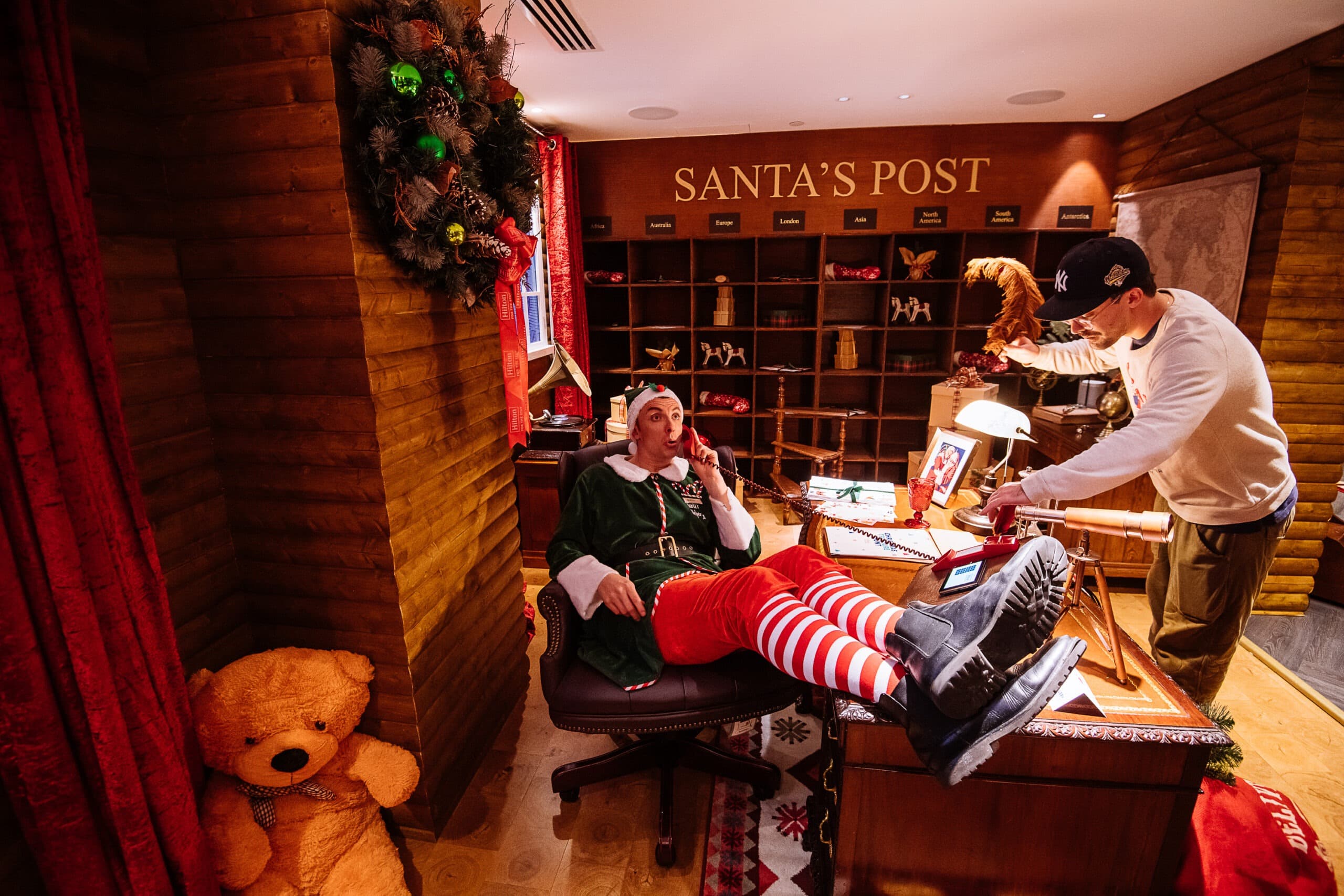 Insights & Guides
Branded vs Bespoke Event Sets: Choosing the Right Scenic Approach for Your Brand Activation
A branded set applies your brand to proven components. A bespoke build invents the room. Here is how to choose between them for a brand activation, and what each one really costs in time.
Read the guide