
Top Event Production Trends in the UK (2026 Edition)
From LED walls and immersive design to AI-assisted planning and sustainable staging, the event production trends UK organisers are using in 2026 to create experiences audiences remember.
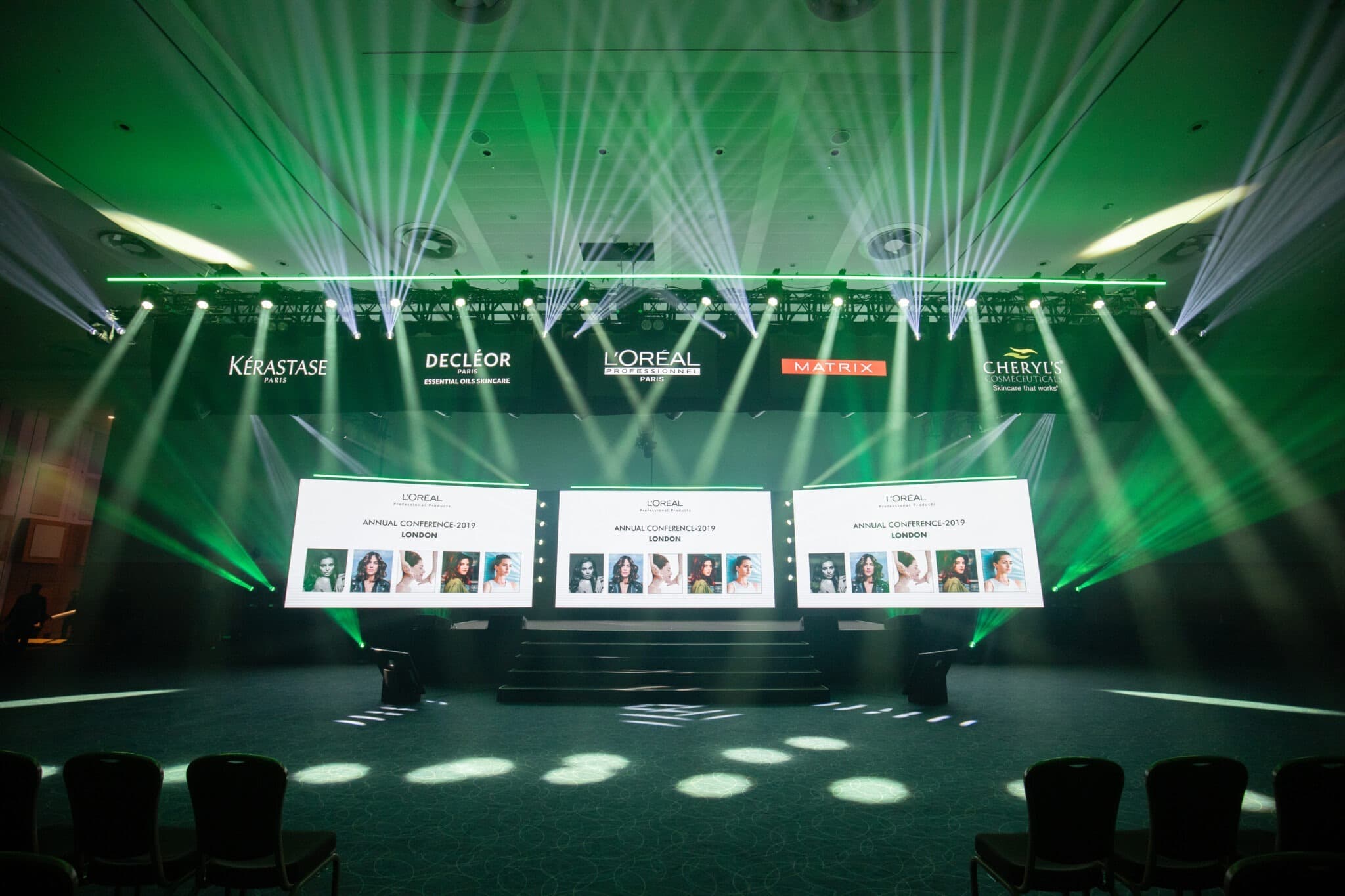 Kudos AV · Production insights
In this article
What makes people remember an event long after it's over? It's not just the speakers or the venue, it's the experience. The latest event production trends are reshaping how UK organisers design conferences, exhibitions, product launches, and corporate events. The event production trends UK businesses are embracing in 2026 focus on creating experiences that capture attention, encourage interaction, and leave a lasting impression.
Today's audiences want to see more than presentations and setups on stage. According to industry reports, audience engagement and immersive experiences have become some of the biggest priorities for event planners, driving greater investment in production, technology, and event design.
When organising an event such as a conference, awards ceremony, exhibition or product launch, it pays to factor in these changes to bring your event to life. Kudos AV offers lighting, staging, audio, scenic design, and visual production solutions to help you create a seamless event experience from start to finish.
Keeping up with event production trends is no longer just about hiring equipment. Choosing the right Event Production Company UK means working with specialists who understand how modern production techniques, technology, and audience expectations come together to create memorable events.
Key takeaways
- Learn how audience expectations are impacting event planning and production.
- Understand the benefits of LED displays for modern events.
- See how immersive spaces are shaping more memorable audience experiences.
- Explore the technologies shaping the future of live event production.
- Find out what event organisers should consider when planning successful events in 2026 and beyond.
Why event production trends are changing in 2026
Events have changed because audience expectations have changed. People want more than presentations and speeches. They expect experiences that are engaging, interactive, and memorable from the moment they arrive.
Live events are also increasingly used as a strategy for companies to build relationships with customers, employees, and partners. Flexible venues and smarter planning have reduced the barriers to creating productions that can be adapted to a range of event formats.
The growth of live event production services has also transformed how events are delivered. Lighting, staging, sound, video and scenic design all come together to make the event feel less jarring for the audience and far more seamless. Today's events are focused on blending lighting, sound, staging, and visuals to make a lasting impression.
One of the biggest event production trends shaping conferences and corporate events is the move towards larger, brighter, and more flexible visual technology.
Trend #1: LED walls continue to replace traditional projection
LED walls are rapidly gaining popularity across conferences, exhibitions and corporate events, taking the place of traditional projection systems. For many years, projection was a great fit for the events industry, but LED technology consistently produces brighter and sharper imagery across a variety of venue settings. LED displays enhance presentations, branding, and video content, ensuring visuals stay clear for all attendees regardless of the setting.
If you're comparing modern display solutions for conferences and corporate events, our guide on LED vs projection for corporate events explains why many organisers are moving towards LED technology for brighter visuals, greater flexibility, and a stronger audience experience. Displays can be built in a range of sizes and shapes to match the stage design, rather than being limited to a standard screen size. This lets organisers design visual environments that are more in harmony with the production.
The key benefits are:
- Brighter visuals that stay clear in challenging lighting conditions.
- Flexible screen layouts to suit different stage designs.
- Better visibility for audiences seated further away.
- Smooth playback of presentations, video, and motion graphics.
- More creative options for branding and content.
This shift is changing the way event spaces look and how audiences experience presentations, making LED technology one of the most influential developments in modern event production.

Trend #2: Why are events becoming more immersive?
Experiences are remembered, presentations are not. That is one of the main reasons immersive production continues to grow across conferences, product launches, exhibitions, and live entertainment. In recent years, organisers have combined lighting, staging, sound and visuals as a whole to help tell the story they want to tell.
Current experiential event trends focus on making audiences feel involved rather than simply watching from their seats. Lighting can set up a keynote. Scenic elements can transform a venue into an extension of a brand. Projection mapping can turn ordinary walls into dynamic visual displays, while carefully designed audio helps build a stronger emotional connection throughout the event.
It doesn't always require a highly expensive or complicated production. Small touches, lighting, branded elements, or moving visuals, can make a big difference to how an event looks and feels to the audience.

Trend #3: AI is supporting event planning, not replacing creativity
Artificial intelligence is becoming a valuable tool in the events industry, but it is not replacing the people behind successful productions.
Today, AI assists many event planners with automating processes such as scheduling, drafting messages, interpreting registration statistics, and compiling post-event reports. These tools save time during planning, so teams can dedicate more attention to designing the event experience.
The creative process is still a human one. Designing a stage, planning lighting cues, coordinating video content, and managing live audiences all require experience, technical knowledge, and quick decision-making that technology cannot replicate.
The most successful events are those where smart planning tools and experienced production teams work well together on the day.
Trend #4: Event production technology is becoming smarter
The technology used in live events keeps improving both the organiser's experience and the audience's engagement. Many of today's live event technology trends focus on creating reliable experiences while giving production teams greater control during the event.
Today's live event production services combine cameras, lighting, professional audio, presentation software, and automation into one connected production workflow. Instead of managing separate systems, production teams can coordinate every technical element from a central control position, delivering smoother and more engaging live experiences.
Some of the largest advances are:
- Multi-camera live production for conferences and keynote presentations.
- Clear presentations on high-resolution LED displays.
- Real-time switching of graphics and presentation content.
- Enhanced streaming for hybrid viewers.
- Remote monitoring and technical support.
These advances minimise delays, improve the look of the presentation, and create a more professional atmosphere for both live and online audiences.
Trend #5: Flexible stage design is replacing fixed layouts
One of today's fastest-growing event production trends is flexible stage design. There is no longer a standard template for events. A day can start with keynote speeches, move to panel discussions, include networking and conclude with an awards ceremony, all within the same venue. This shift has created a greater need for flexible staging solutions that can change throughout the day.
With modular stage systems, organisers can make quick changes to layouts while maintaining a professional look. Production teams can build a single structure that houses multiple event formats, rather than building a separate stage for each part of the programme.
This flexibility is also an advantage in venues where space is limited or where installations need to be finished in a short time. By designing stages around the venue rather than forcing a standard layout, organisers can improve audience sightlines and make better use of the available space.
The result is events that run more smoothly and give organisers more creative freedom when planning the production.

Trend #6: Sustainability is becoming part of production planning
Sustainability remains a key factor in production planning decisions across the events sector.
Many organisers are opting for energy-efficient lighting, reusable staging components, and modular scenic design that can be repurposed for future events rather than single-use setups. These sustainable production approaches help reduce waste while maintaining a professional event environment, and they make better use of production resources.
Transport planning is also becoming more important. As logistics, equipment management and scheduling are streamlined, vehicle movements are reduced. Companies are keeping more equipment in-house so it can be used across multiple events rather than replaced frequently.
While different organisations have different sustainability objectives, small decisions in production can have a significant impact over the course of an event calendar.
Production choices that support more sustainable events
| Traditional production | Modern production planning |
|---|---|
| Single-use scenic builds | Reusable scenic elements |
| Fixed stage layouts | Modular staging systems |
| Higher-energy lighting | Energy-efficient LED fixtures |
| Multiple supplier deliveries | Coordinated production logistics |
| Limited equipment reuse | Well-maintained in-house inventory |
These improvements benefit organisers by reducing unnecessary waste while creating production plans that are easier to manage across multiple events.
What these event production trends mean for event organisers
Understanding current event production trends UK can help organisers make better decisions long before event day arrives. Instead of focusing only on individual pieces of equipment, it is becoming more important to think about how every production element contributes to the overall audience experience.
Before planning your next event, it helps to ask:
- Will every attendee have a clear line of sight to the stage and presentation?
- Is the production design on track to achieve the purpose of the event?
- Are flexible staging and visual solutions possible in the venue?
- Will the audience stay engaged throughout the day?
- Are lighting, sound, and video planned as one connected production?
Many organisers now work with production specialists much earlier in the planning process to answer these questions before designs are finalised. At Kudos AV, production planning brings together staging, lighting, audio, scenic design, and visual solutions to help organisers create events that run smoothly from the first guest arrival to the final presentation.
Trend #7: Corporate events are becoming more experience-led
Business events are no longer built around presentations alone. One of the biggest corporate event trends for 2026 is the shift towards creating experiences that encourage interaction, conversation, and stronger audience participation.
Companies are reimagining product launches, leadership events and conferences to be more engaging from the moment guests arrive. Branded environments, creative stage designs, interactive displays, and dynamic content are helping organisations deliver their message in a way that feels more engaging and memorable.
Networking areas are also becoming a larger part of event planning. Rather than keeping networking sessions and presentations apart, some organisers are designing spaces where natural networking can happen throughout the day.
The future of event production trends in the UK
The future of events UK organisers are planning will continue to focus on immersive experiences, smarter production technology, and sustainable event delivery.
Technology will keep improving, but successful live event production services will continue to depend on thoughtful planning, experienced production teams, and a clear understanding of audience expectations.
Instead of jumping on every trend, many companies are investing in the projects that will enhance the guest experience and help events meet their goals more effectively. Production is becoming less about individual pieces of equipment and more about creating a connected experience where staging, lighting, visuals, audio, and scenic design work together naturally.
Planning an event in 2026?
Whether you're organising a conference, exhibition, awards ceremony or product launch, working with an experienced Event Production Company UK can help you deliver a seamless event from planning through production.
Discuss your event with our team
Conclusion
The latest event production trends continue to reshape how live experiences are planned and delivered across the UK. From smarter technology to immersive production and flexible staging, the event production trends UK organisers are adopting are creating more engaging experiences for audiences.
From brighter LED displays and immersive environments to smarter production technology and evolving corporate event trends, today's events place greater focus on audience engagement and overall experience.
If you'd like to explore one of the biggest visual trends in more detail, read our guide on LED vs Projection: Why LED Wins for Corporate Events to learn why more organisers are replacing traditional projection systems with high-impact LED displays for conferences, exhibitions, and live events.
Planning an event in 2026? Let Kudos AV help turn the latest event production trends into an engaging live experience with creative production solutions designed around your event goals.
Your questions, answered
Frequently asked questions
01What are the biggest event production trends in 2026?
The biggest event production trends include LED walls, immersive audience experiences, AI-assisted planning, sustainable production, modular staging, and smarter production technology. These trends are helping organisers deliver more engaging and memorable live events.
02Why are LED walls becoming more popular for live events?
LED walls provide brighter visuals, greater flexibility, and excellent visibility in different lighting conditions. They also enable organisers to create custom stage designs that improve presentation and branding.
03What impact does modern technology have on the live event production industry?
Lighting, audio, video, cameras, and presentation content can work together more efficiently in a modern production system. This results in more seamless delivery of events and a more enjoyable experience for both live and virtual audiences.
04Do immersive experiences need to be part of a large-scale event?
No. Even smaller conferences, meetings and product launches can benefit from immersive production. With a little planning, lighting, visuals, scenic elements and stage design can create an engaging experience at any scale.
05How can event organisers prepare for future production trends?
By planning carefully, understanding what their audience is hoping for, and collaborating with experienced production specialists, organisers can choose solutions that fit their event goals, space limitations, and budget, ensuring a memorable experience for everyone.
These trends in action
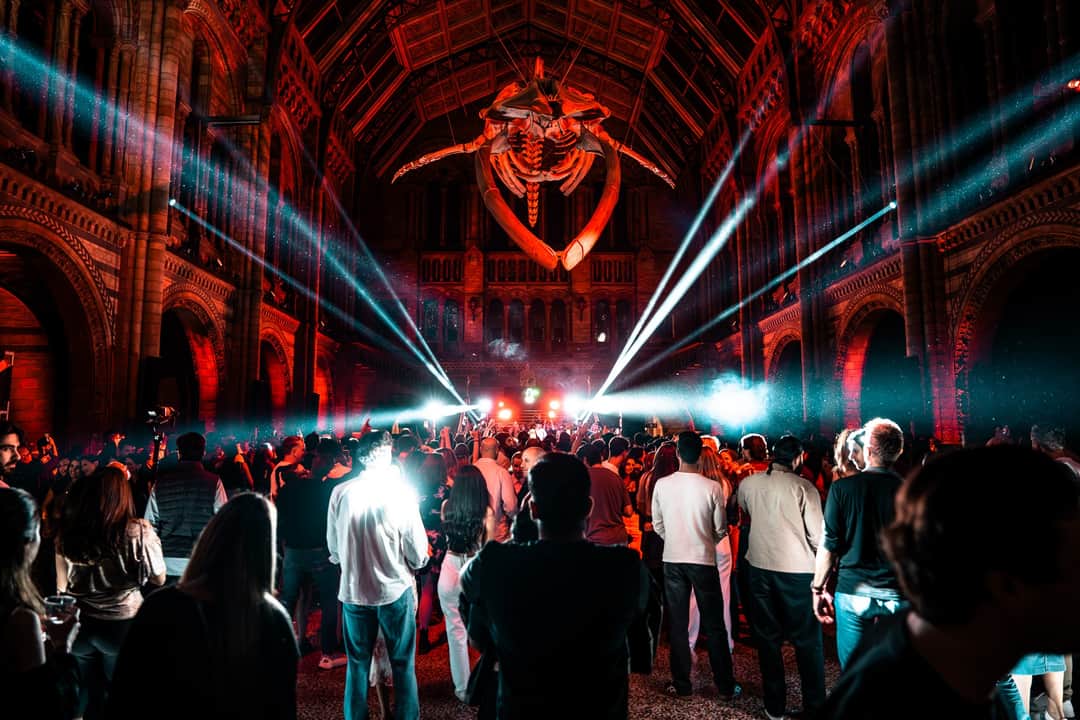
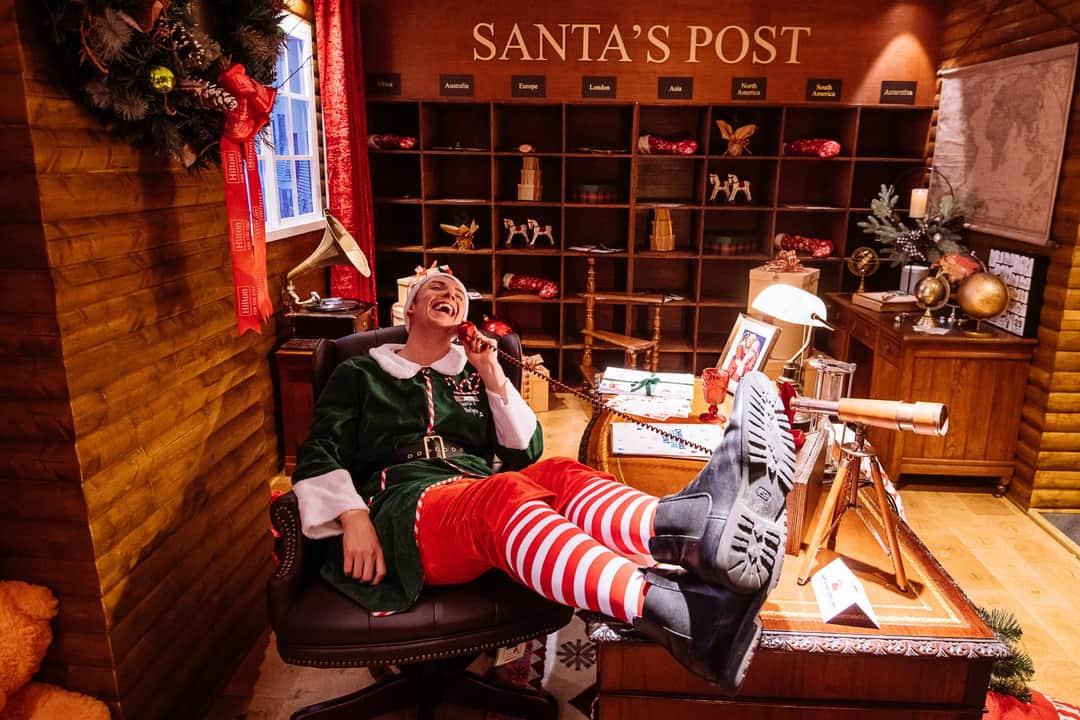
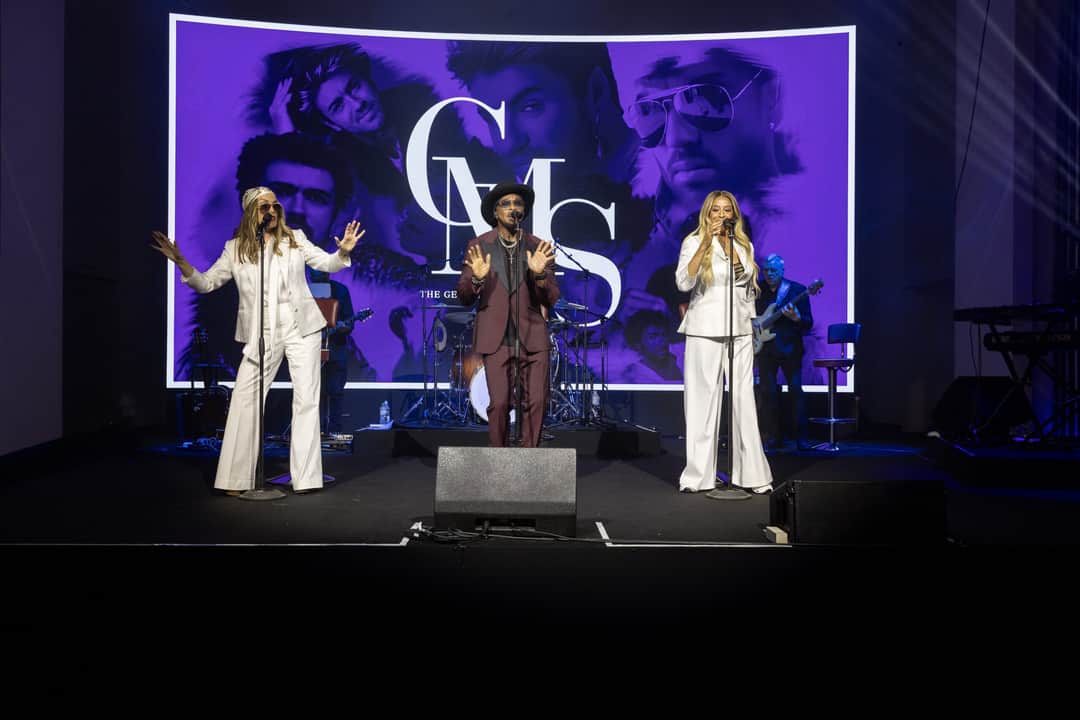
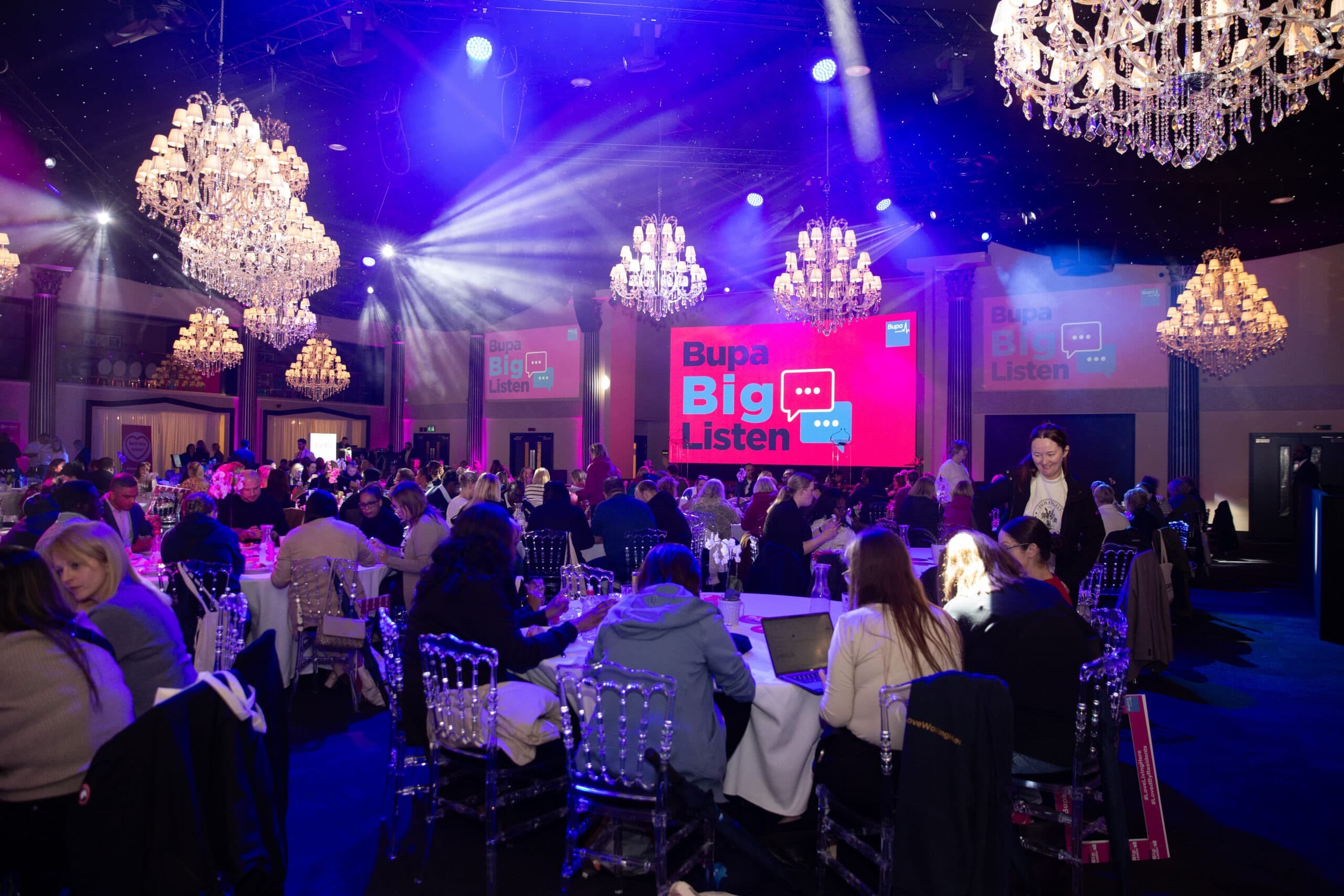 Insights & Guides
Why LED Displays Are Replacing Traditional Projection at Corporate Events
Projection dims the moment you turn the lights on, and corporate events are not held in the dark. Why LED has taken over the conference stage, and the cases where a projector is still the right call.
Read the guide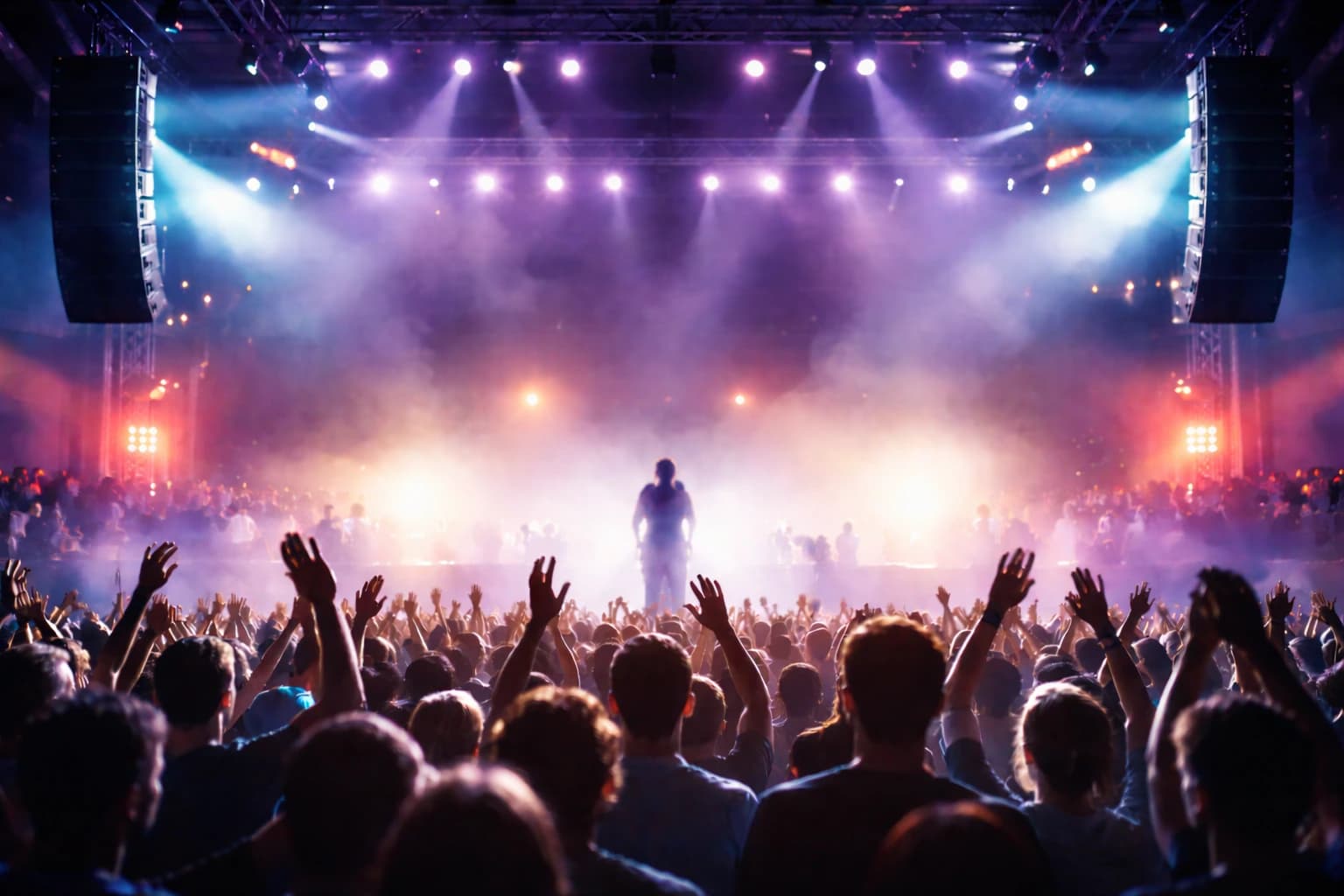 Insights & Guides
How Audio Quality Impacts Audience Engagement in Live Events
How clear speech, balanced sound and reliable audio help audiences follow your message and stay engaged throughout a live event.
Read the guide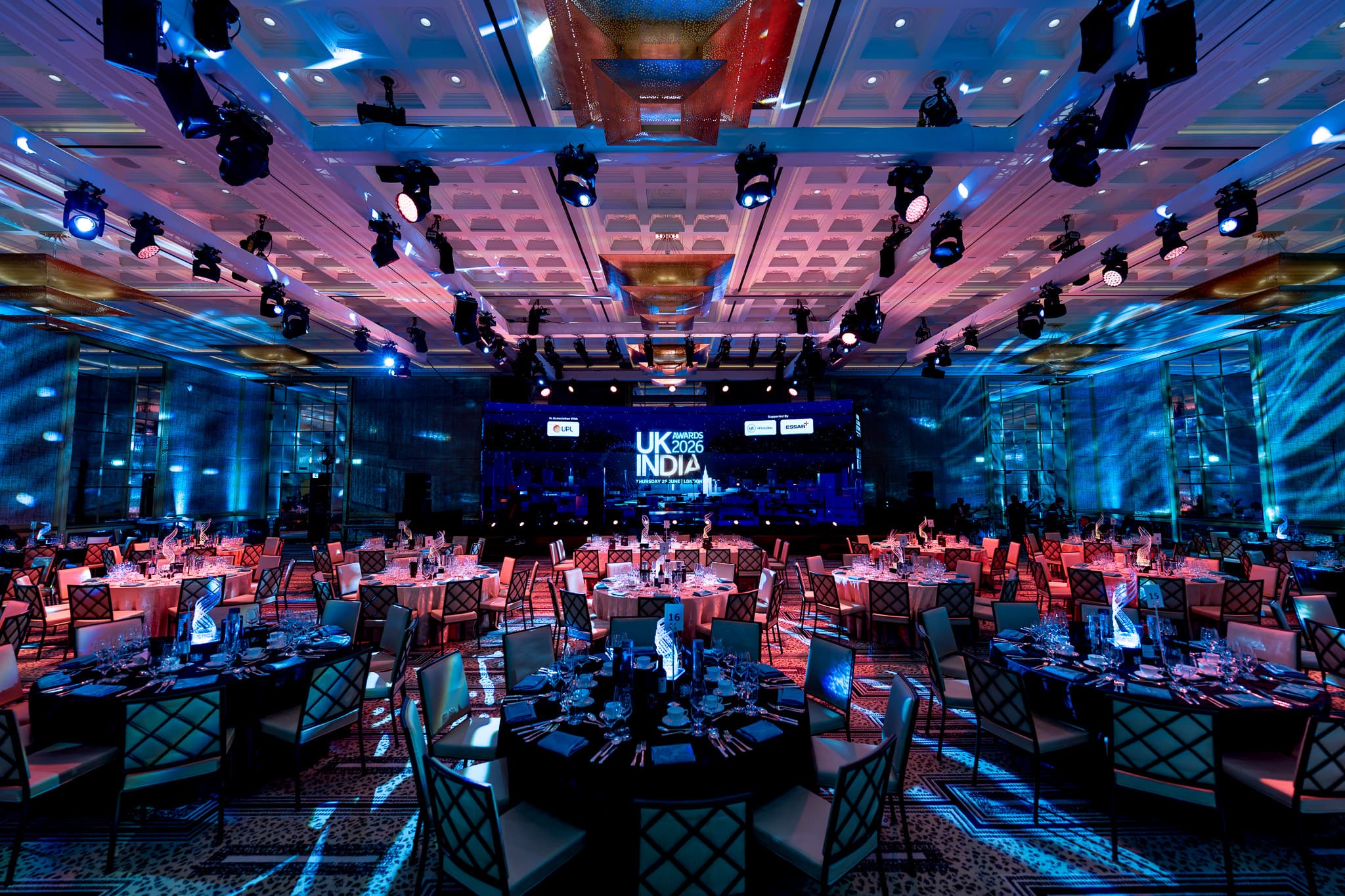 Insights & Guides
What Are LED Video Walls and How Do They Enhance Events? A Planner’s Guide
What an LED video wall is, how it works, where it fits at conferences, launches and awards nights, and what to check before you hire one, from pixel pitch to cost.
Read the guide